West African states are moving from fragmented oversight to coordinated regional control of their oceans
By Bonface Orucho
7 September 2026 · 5 min read
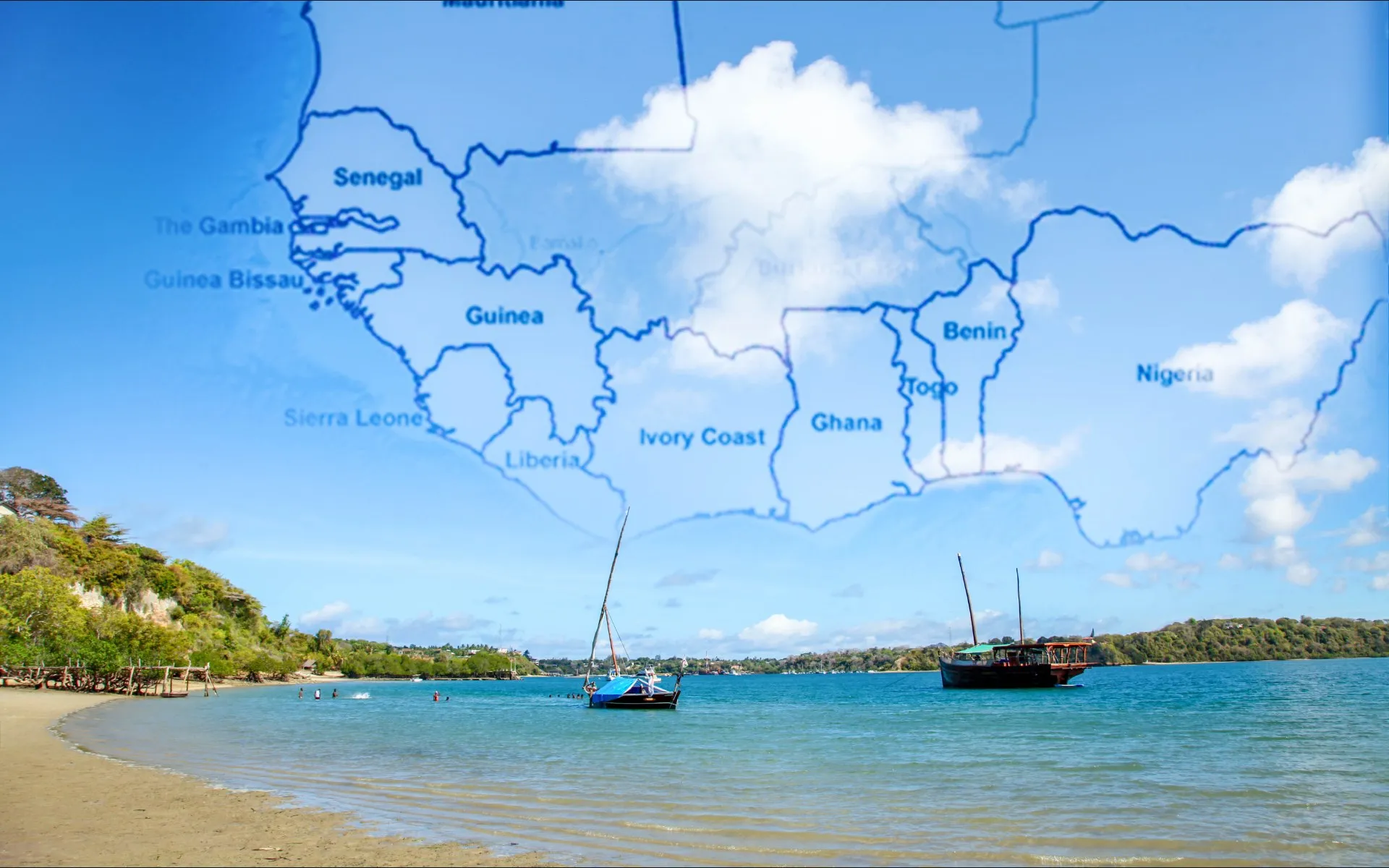
The push aims to curb illegal fishing, rebuild coastal economies, and protect biodiversity. Success could turn years of lost marine wealth into lasting regional economic opportunity.
West African countries are reclaiming control of their marine ecosystems, which hold some of the world’s most valuable ocean resources, after decades of weak oversight and external exploitation.
A proposed High Seas Marine Protected Area by the Economic Community of West African States shifts the region from fragmented national enforcement to coordinated regional control of shared waters and the value they generate.
According to Sikeade Egbuwalo, the high seas lead at Nigeria’s Federal Ministry of Environment, “There are a lot of countries outside our region that are the ones benefiting from that particular ecosystem we are planning to designate.”
“We feel the injustice has been going on for a while, and a few powerful actors have dominated our sea. It’s time for us to sit at that table and start demanding. This treaty has given us the chance to correct that imbalance.”
The entry into force of the High Seas Treaty in January 2026 has created the legal pathway for this shift.
“The entry into force of the agreement marks a new chapter in ocean governance,” according to the United Nations.
Formally known as the Biodiversity Beyond National Jurisdiction agreement, the treaty establishes the first legally binding framework to manage and protect marine biodiversity in areas beyond national borders, which account for roughly two-thirds of the global ocean.
The agreement enables countries to designate marine protected areas in international waters for the first time, alongside mechanisms for environmental impact assessments, benefit-sharing from marine genetic resources, and capacity-building for developing states.
“It fills a major gap in the global ocean governance framework,” according to the United Nations Environment Programme.
By turning previously unregulated waters into a governed space, the treaty allows regional blocs such as ECOWAS to act collectively rather than individually, creating a basis for coordinated control over shared marine resources.
Of the 85 countries that had ratified the High Seas Treaty, as of February 2026, 17 were African, with another 17 having signed. The numbers underscore Africa’s active participation in defining global ocean governance.
That shift is particularly significant in West Africa, where some of the Atlantic’s most productive fishing grounds remain weakly governed despite their economic importance.