
Opinion
OPINIONS & PERSPECTIVES: Dzengwa’s Vision For Jobs, Investment and Growth
By Zola Pinda
29 October 2026 · 6 min read
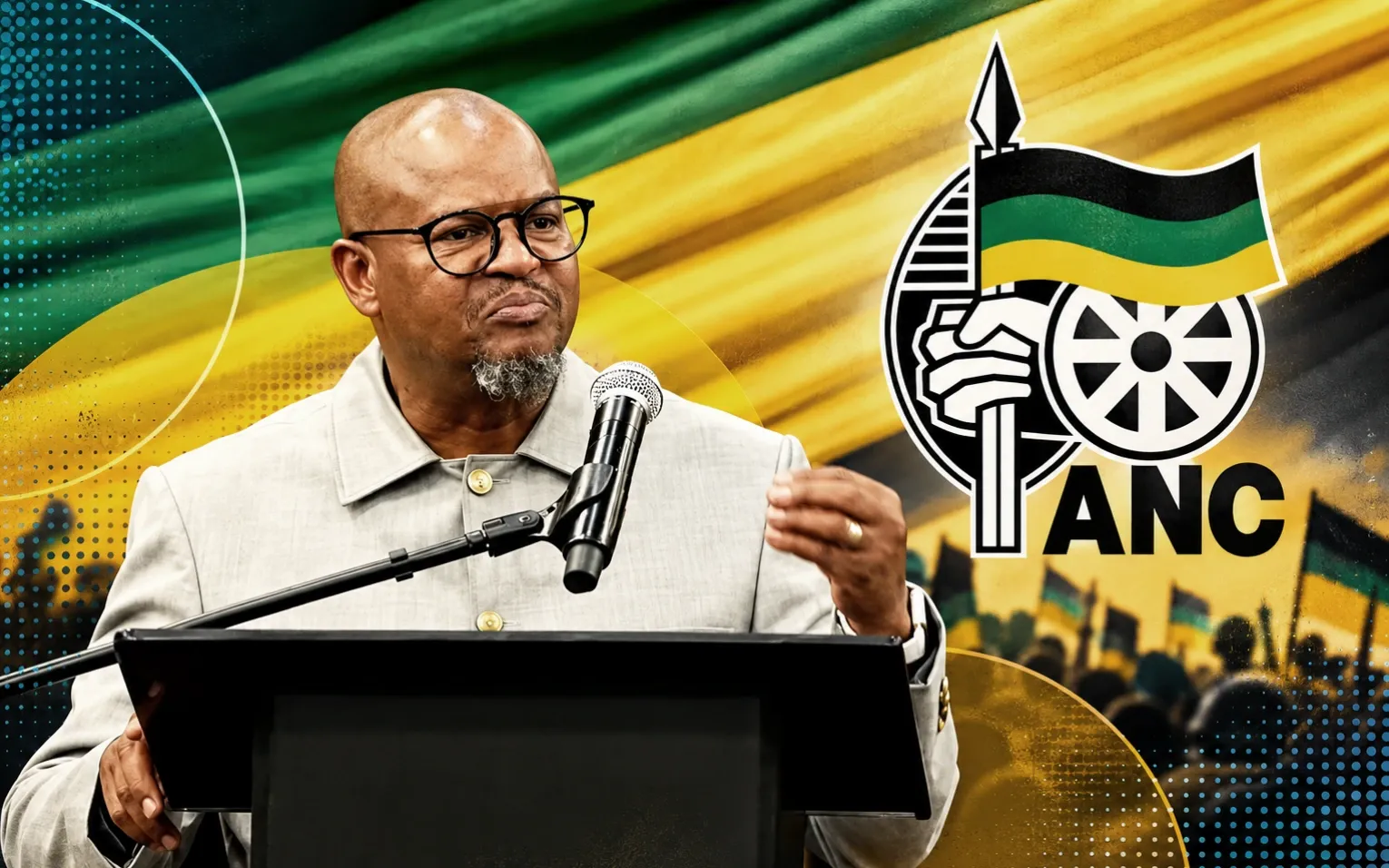
The ANC mayoral hopeful challenges business, intellectuals, farmers and sporting leaders to help turn Buffalo City’s potential into jobs, reliable services and accountable governance.
Buffalo City does not lack potential. It lacks the institutional performance needed to turn its resources, infrastructure and economic assets into reliable services and shared prosperity. Simphiwe “Piya” Dzengwa’s professional record offers capabilities relevant to these challenges. The decisive question is whether he can translate that experience into measurable improvements for residents.
THE QUESTION IS NO LONGER WHAT IS WRONG WITH BUFFALO CITY
From KuGompo City to Mdantsane, Qonce, Bhisho and surrounding rural communities, residents ask why a metropolitan municipality with substantial resources continues to struggle with water interruptions, deteriorating roads, wastewater infrastructure, electricity losses, billing disputes, unemployment and concerns about financial management.
Buffalo City’s audited 2024/25 financial statements illustrate the challenge. Electricity losses were recorded at 32.19%, valued at approximately R831.43 million, while water losses reached 41.42%, valued at approximately R187.49 million. These figures may include physical infrastructure losses and commercial or administrative problems; they should not be treated as amounts automatically recoverable in full.
Nevertheless, they demonstrate the urgency of improving infrastructure management and financial controls, according to the Municipality's annual report for 2024/25. The Auditor-General’s 2024/25 audit report identifies infrastructure maintenance, financial management and revenue collection as recurring local-government concerns. Buffalo City needs tailored solutions. Dzengwa’s experience appears relevant, but does not prove he has already delivered a turnaround.
A PROFESSIONAL RECORD RELEVANT TO THE CHALLENGE
Publicly available biographies document Dzengwa’s experience in public administration, municipal finance, development finance, executive leadership and economic development. The Public Affairs Research Institute records qualifications in political science and sociology, a Master of Public Administration from Florida Atlantic University and an MBA from Rhodes University. His experience includes work involving provincial Treasury, national government, the Development Bank of Southern Africa and the banking sector.
His institutional roles have included Executive Director for Municipal Finance at the South African Local Government Association (SALGA), Chief Executive Officer of the Eastern Cape Innovation Hub and Chief Executive Officer of the Gauteng Partnership Fund, as well as senior advisory responsibilities in national government.
These roles intersect with Buffalo City’s needs: municipal finance can inform revenue collection and expenditure controls; development finance can guide investment decisions; and executive and innovation experience may support institutional reform. Credentials warrant scrutiny, but do not guarantee success.
1. FINANCIAL RECOVERY MUST IMPROVE SERVICES
A municipality cannot indefinitely maintain roads, repair water networks or rehabilitate wastewater treatment works while losing resources through leaking infrastructure, faulty meters, inaccurate billing, theft and weak collection systems. Dzengwa’s municipal-finance experience at SALGA is relevant. Buffalo City needs an integrated financial and infrastructure recovery programme, beginning with a verified diagnostic: where do losses occur, which repairs are most urgent, what revenue is lawfully collectible, and which projects are delayed by funding, planning or procurement problems?
Engineers, finance officials, electricity specialists and procurement professionals must work together. The programme should publish baseline figures and report on losses, repairs, collection and expenditure, while protecting eligible indigent households and providing fair processes for disputed bills. The goal is reliable services, not collection at any cost.
2. REBUILD INSTITUTIONAL CAPACITY AND ACCOUNTABILITY
Financial recovery will fail without administrative competence. Buffalo City needs officials who can plan projects, manage contracts, maintain assets and address audit findings. Political leadership must provide strategic direction while respecting the lawful responsibilities of municipal administration. Dzengwa’s experience could support disciplined performance management. Major programmes need budgets, timetables, accountable officials and measurable targets. Contracts must be checked against delivery before payment; audit findings need deadlines, and allegations require fair investigation and due process.
A mayor does not personally repair every pipe or manage every operational decision. The mayor must ensure that the institution has the leadership, resources and accountability systems to perform.
3. TURN DEVELOPMENT FINANCE INTO INVESTMENT AND JOBS
Buffalo City’s economic prospects are inseparable from service delivery. Businesses require dependable electricity, water, roads and sanitation. Farmers need accessible roads and routes to market. Manufacturers need functioning infrastructure, while small enterprises require transparent procurement and predictable municipal processes.
Dzengwa’s experience in development finance, banking and executive leadership could support an investment programme. Buffalo City’s automotive and industrial economy, harbour, tourism assets, agricultural hinterland, creative industries and ocean economy offer opportunities. Each proposal requires assessment of market demand, infrastructure, financing, environmental requirements, commercial viability and potential employment.
The municipality should work with provincial and national government, development-finance institutions and businesses to prepare investment-ready projects. Success should be measured by investment realised, businesses supported, jobs created or sustained, and projects becoming operational—not announcements. Small enterprises also need accessible procurement information and fair opportunities to compete.
4. MAKE INNOVATION AND PARTNERSHIPS DELIVER
Dzengwa’s leadership of the Eastern Cape Innovation Hub offers another relevant dimension. Innovation includes improving institutional cooperation, connecting research to production and helping enterprises develop viable products and services.
At a reported stakeholder engagement, Dzengwa proposed a “triple helix” model linking government, business and universities, and invited academics and professionals to contribute to research, strategic planning and financial management.
Partnerships could address water and energy efficiency, supplier development, agriculture, tourism, industrial infrastructure and youth employment. Each needs a defined problem, accountable lead, timetable, appropriate funding and assessable outcomes. The value lies in operational cooperation, not ceremony.
5. CONNECT RURAL DEVELOPMENT WITH YOUTH OPPORTUNITY
Buffalo City’s surrounding rural communities are integral to its economy. Poor roads, unreliable water and electricity, and limited market access constrain agricultural production and increase transport costs, while affecting access to schools, healthcare and emergency services.
At the October stakeholder engagement, Dzengwa reportedly emphasised support for commercial and emerging farmers, alongside rural roads, water and electricity. A practical programme should map productive areas and infrastructure constraints, prioritise high-value investments, and connect emerging farmers with training, business support and markets.
Young people need credible pathways into work and enterprise. The municipality cannot employ every unemployed resident, but can help create conditions for businesses to grow and training to match real demand. Partnerships with employers, universities, colleges and agencies should target manufacturing, tourism, logistics, agriculture, construction, digital services and the ocean economy. Report separately on training attendance, completion, employment and sustainable businesses.
6. WORK ACROSS GOVERNMENT—AND REMAIN ACCOUNTABLE
Not every municipal problem can be solved by a mayor alone. National government shapes policy and provides grants; provincial government has its own responsibilities; municipalities must perform their assigned functions and coordinate with other institutions. Some projects require external funding. Electricity challenges may involve Eskom, water-resource management can extend beyond the municipality, and housing often requires intergovernmental cooperation.
Dzengwa’s cross-government experience could help, but cooperation needs written agreements, identified funding, clear responsibilities and ways to resolve delays. The mayor must explain what the municipality can solve and what requires outside intervention.
A public dashboard should track water interruptions, wastewater repairs, electricity losses, road maintenance, billing disputes, project completion, financial recovery and economic outcomes. The first 100 days should establish baselines; the first year should show progress against funded targets. Missed targets require explanations and corrective plans.
Dzengwa’s record intersects with Buffalo City’s urgent needs: municipal finance, institutional performance, development finance, executive leadership and economic coordination. This makes a credible case for considering his candidacy, not for suspending scrutiny. His experience does not establish that he has repaired water networks, reduced electricity losses, restored wastewater infrastructure or resolved municipal finances. Results also depend on council, officials, funding, political stability and intergovernmental cooperation.
The public should demand a published delivery programme with budgets, milestones, named institutional responsibilities and regular reporting. A CV establishes relevant experience. Only performance establishes whether that experience has been successfully applied.
FROM PROFESSIONAL EXPERIENCE TO PUBLIC VALUE
Buffalo City possesses the foundations of an Eastern Cape economic centre: industrial capacity, a harbour, universities, tourism potential, agricultural connections and a population rich in talent. The challenge is to make these assets work together.
Dzengwa’s municipal-finance background is relevant to revenue and sustainability; development finance could support investment; and executive and innovation experience could strengthen coordination. These capabilities must become a practical programme to repair infrastructure, improve administration, protect public resources and support sustainable growth.
Residents must ultimately judge results, not promises. Are services becoming more reliable? Are businesses finding it easier to operate? Are municipal finances improving? Are economic opportunities expanding? The mayoral chain is not the achievement. The achievement is the work done while wearing it. Buffalo City deserves leadership that understands the scale of its challenges and demonstrates, through evidence and measurable progress, that its potential is being realised.
You may also like
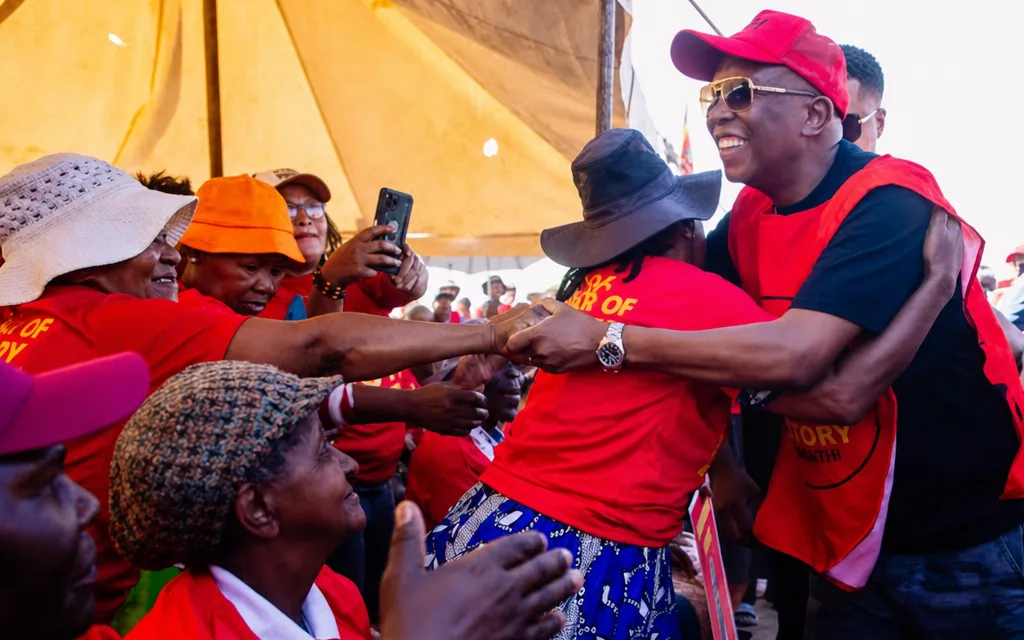
Malema Returns To KuGompo City To Rally EFF Support Ahead Of Local Polls
Asemahle Mfombi · 20 Oct · 1 min read
OPINIONS & PERSPECTIVES: What If Science And Our Ancestors Are Speaking Of The Same Mystery?
 Sizwe Kupelo · 10 Oct · 3 min read

OPINIONS & PERSPECTIVES: Has The Eastern Cape Become Too Accustomed To Municipal Failure?
Andile Nduna · 10 Oct · 9 min read