
Land Row Rocks Sleepy Seaside Village Of Hamburg
By Asemahle Mfombi · KuGompo City
30 October 2026 · 5 min read

Residents from Hamburg are concerned that their municipality might exclude them from plans to purchase and undertake a five-year lease for different portions of a sought-after stand and a sea-facing property.
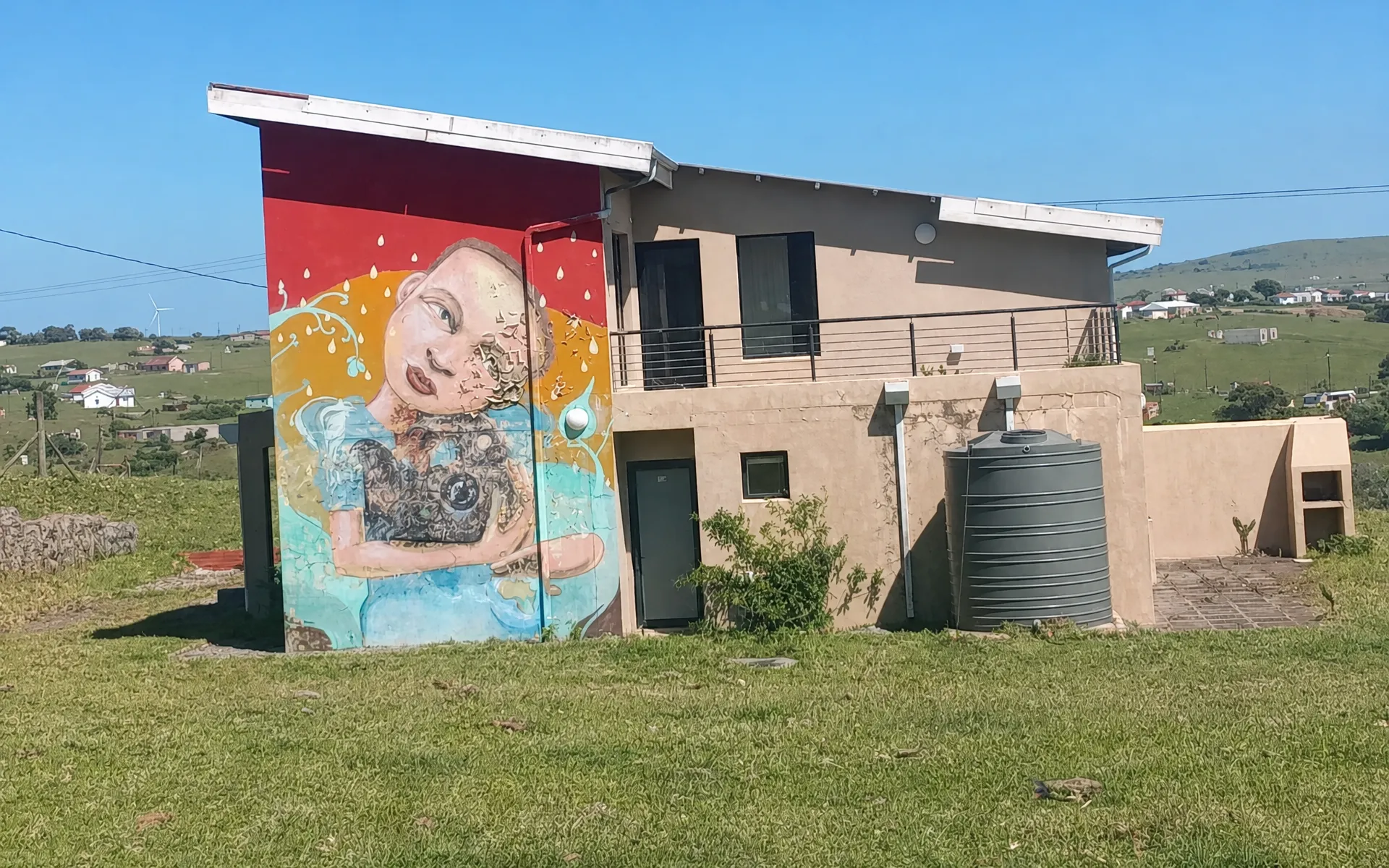
The land dispute comes as Ngqushwa Local Municipality pursues plans to develop the Emthonjeni Artist and Retreat Centre.
A tender notice published on 26 August 2026 invited proposals for a concessionaire to refurbish, build and operate the Emthonjeni facility. The opportunity points to plans for a cultural and tourism-related development, although the publicly available listing does not establish the project's current implementation status or the extent of consultation with Hamburg residents.
Emthonjeni, which has turned into a white elephant, was built by the Amathole District Municipality development agency, now known as ASPIRE, at a cost of R40million over 10 years ago.
The tender was followed by a council decision, two days later on 28 August, that resolved to publish a notice to call for public comments and objections regarding the lease of 2935 m² of erf 1194 for the development of the recreational centre; and the purchase of another portion of the same erf to develop the wellness centre.
For residents of the quaint little village, the central question is whether such a development will translate into meaningful opportunities for the local community, particularly young people seeking employment and aspiring entrepreneurs looking to participate in the local economy.
The dispute centres on the community's claim that the land was made available to support development in Hamburg, including opportunities for local youth and Hamburg natives.
The deadline (Tuesday, 27 October) to submit public comments and objections is water under the bridge resulting in heightened tensions that the local community might be excluded.
Questions remain whether the community submitted a formal objection, whether the municipality received it and what steps, if any, will follow before decisions are taken.
No Comment
The Coastal approached the Ngqushwa Local Municipality for comment in an attempt to answer some of the questions of the concerned residents, but to no avail.
A resident, who wished to remain anonymous, said: “If an opportunity arises to reopen the centre, we have people in our community who are interested in reopening it or undertaking the development themselves so that our children can also benefit and have potential employment.”
The statement highlights a concern that extends beyond the ownership or leasing of a particular property: residents want to know whether local people will have a fair chance to participate in the economic opportunities created by projects in their area.
While the community's interest in participating in the development is clear, it remains necessary to establish what arrangements the municipality intends to put in place for local participation, employment and potential business opportunities.
Community seeks clarity on Erf 1194
In correspondence circulated among community representatives, members of the Hamburg Community Executive Committee were urged to write to the municipal manager and relevant municipal officials to request full details of the proposed lease and sale involving Erf 1194.
The proposed letter states that the municipal notice identifies the property as Hamburg commonage and argues that decisions about its future should not be taken without the community's involvement.
It also raises concerns that the municipality had not initiated a community participation process regarding the proposed use of the property or presented residents with its plans for Erf 1194 and Emthonjeni.
The committee was encouraged to formally object to the proposed lease and sale and request that the matter not proceed without further engagement with the community.
However, the draft correspondence reflects the position and concerns of community representatives.
The Coastal has not independently established the property's full legal ownership history, the precise terms of any proposed transaction or whether a formal objection was ultimately submitted.
These details are important because the classification of land as municipal property or commonage, the history of its allocation and the legal requirements governing its disposal or lease will determine what processes must be followed.
‘We must be consulted first’
A community member, who wished to remain anonymous, said residents had previously agreed to make land available for development in Hamburg, including an arrangement under which children from the area would be allocated land elsewhere to accommodate the anticipated development.
The resident explained: “This was land we had set aside for the children of Hamburg.
"However, when we were told that development was coming to Hamburg, we spoke to our children and agreed that they would be allocated land elsewhere.”
The community member alleged that the municipality was now taking control of the land without first consulting the residents who had agreed to the earlier arrangement.
The concern, according to the resident, is not necessarily opposition to development itself, but the way decisions are being made and whether the people, who live in Hamburg, will have a meaningful role in shaping the project's future.
Development versus meaningful consultation
Ngqushwa's broader planning documents have previously identified tourism development in Hamburg as an economic objective, including efforts to promote the area as a holiday destination and address land-related obstacles to tourism investment.
Such ambitions could create opportunities for businesses, workers and young people.
However, the Hamburg dispute raises an important question: how can development succeed if residents believe they have not been adequately included in decisions affecting their community?
For residents, consultation should go beyond simply publishing a notice. They want the municipality to explain its plans, disclose the relevant details of the proposed transaction and give the community a meaningful opportunity to raise concerns before decisions are finalised.
The dispute also places the spotlight on local economic participation. If Emthonjeni is to be developed or reopened, residents want to understand whether local entrepreneurs will be considered, whether jobs will be created for Hamburg residents and how the surrounding community will benefit.
These are questions that require clear answers from the municipality, rather than assumptions about the project's intended benefits.
Municipality's response remains important
The municipality's position is essential to establishing the full picture.
Key outstanding questions include the legal status of Erf 1194, the relationship between the property and the Emthonjeni development, the nature of the proposed lease or sale, and the consultation undertaken with Hamburg residents.
The municipality should also clarify the status of the Emthonjeni Artist and Retreat Centre tender, whether a concessionaire has been appointed and what provisions, if any, exist to promote local employment and participation.
The Coastal has not independently verified the community's allegations of inadequate consultation or established that any proposed transaction has been finalised. The municipality's response would help clarify these issues and establish what opportunities remain for residents to participate in the process.
For Hamburg residents, the demand is straightforward: development should not leave the community feeling excluded from decisions about land they say they helped make available for the area's future.
As the Emthonjeni project moves forward, the critical test will be whether municipal plans are accompanied by transparent communication, meaningful public participation and clear opportunities for local people to benefit.
You may also like
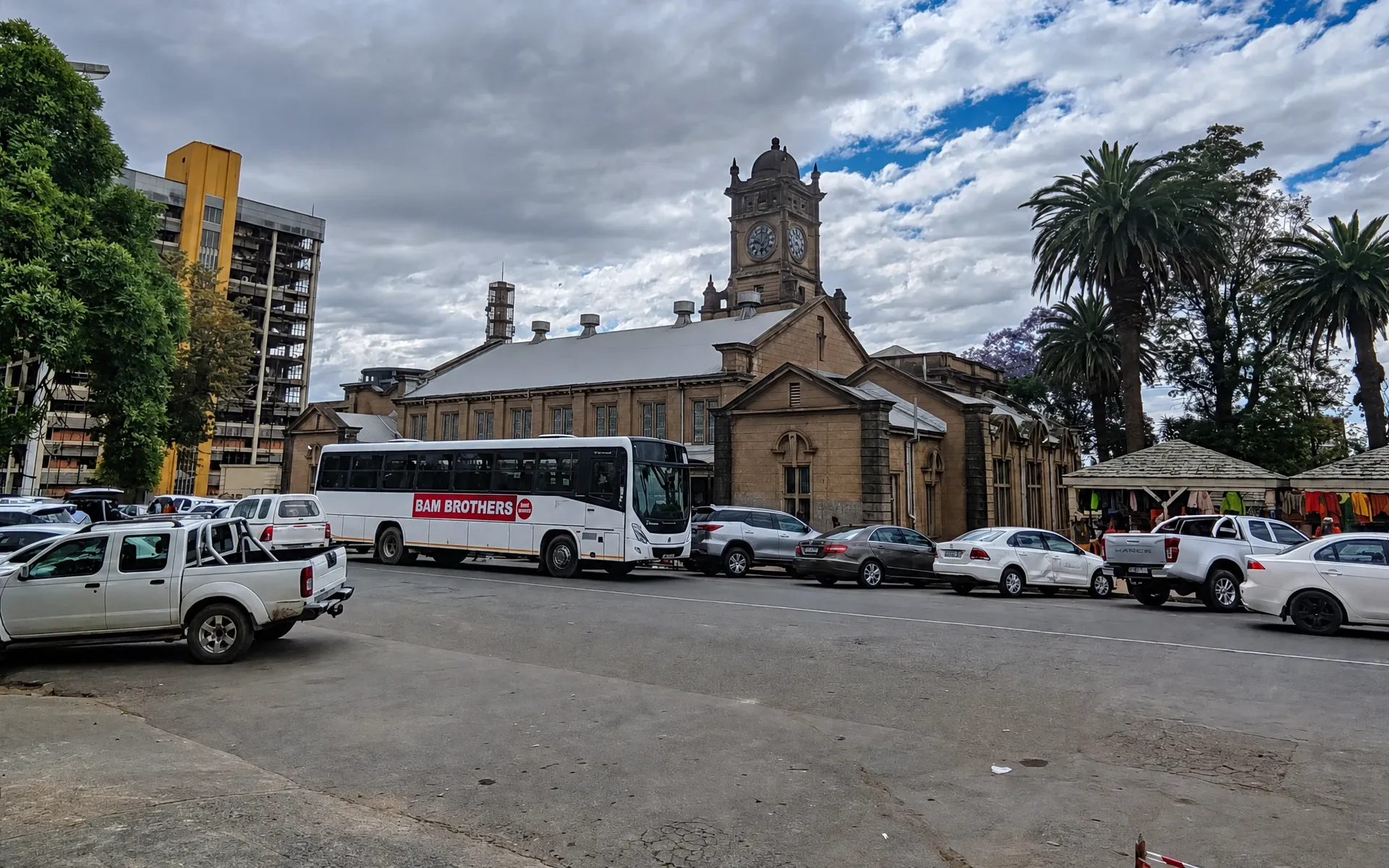
Crumbling Mthatha City Hall Irks Legal Eagle
Lubabalo Ngcukana · 4d ago · 4 min read
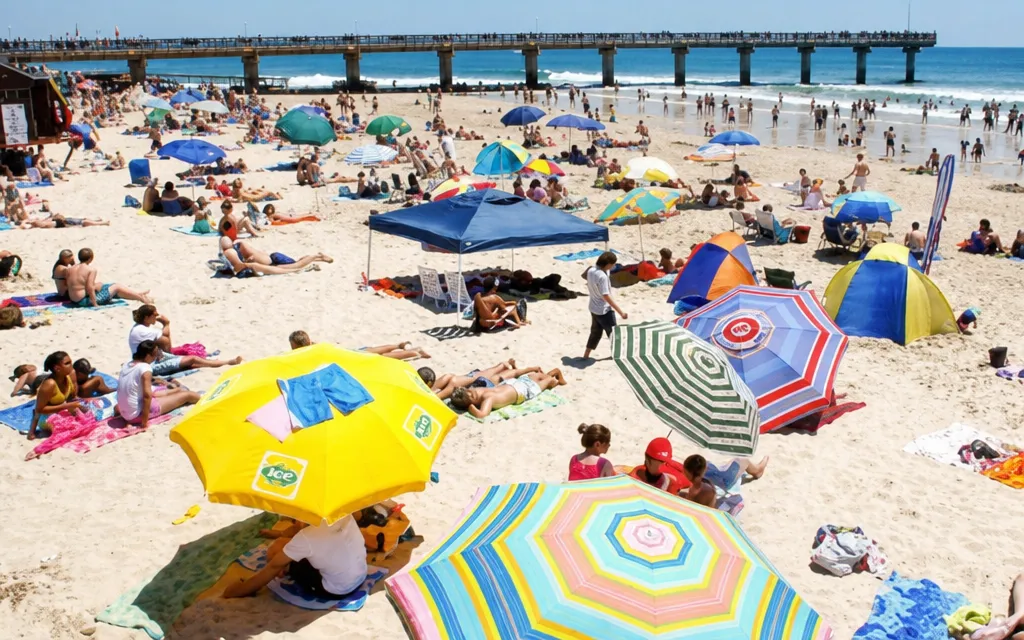
Humewood, Kings And Hobie Beaches Fly The Blue Flag For The Eastern Cape
Asemahle Mfombi · 23 Oct · 6 min read

Decades Of Hardship And Years Of Waiting: Fishermen Ask Where Their R99m Is
Johnnie Isaac · 23 Oct · 6 min read