
BOOK REVIEW: Africa's intellectual exile networks and archive get a massive boost from new writing
By Bonface Orucho
6 September 2026 · 5 min read
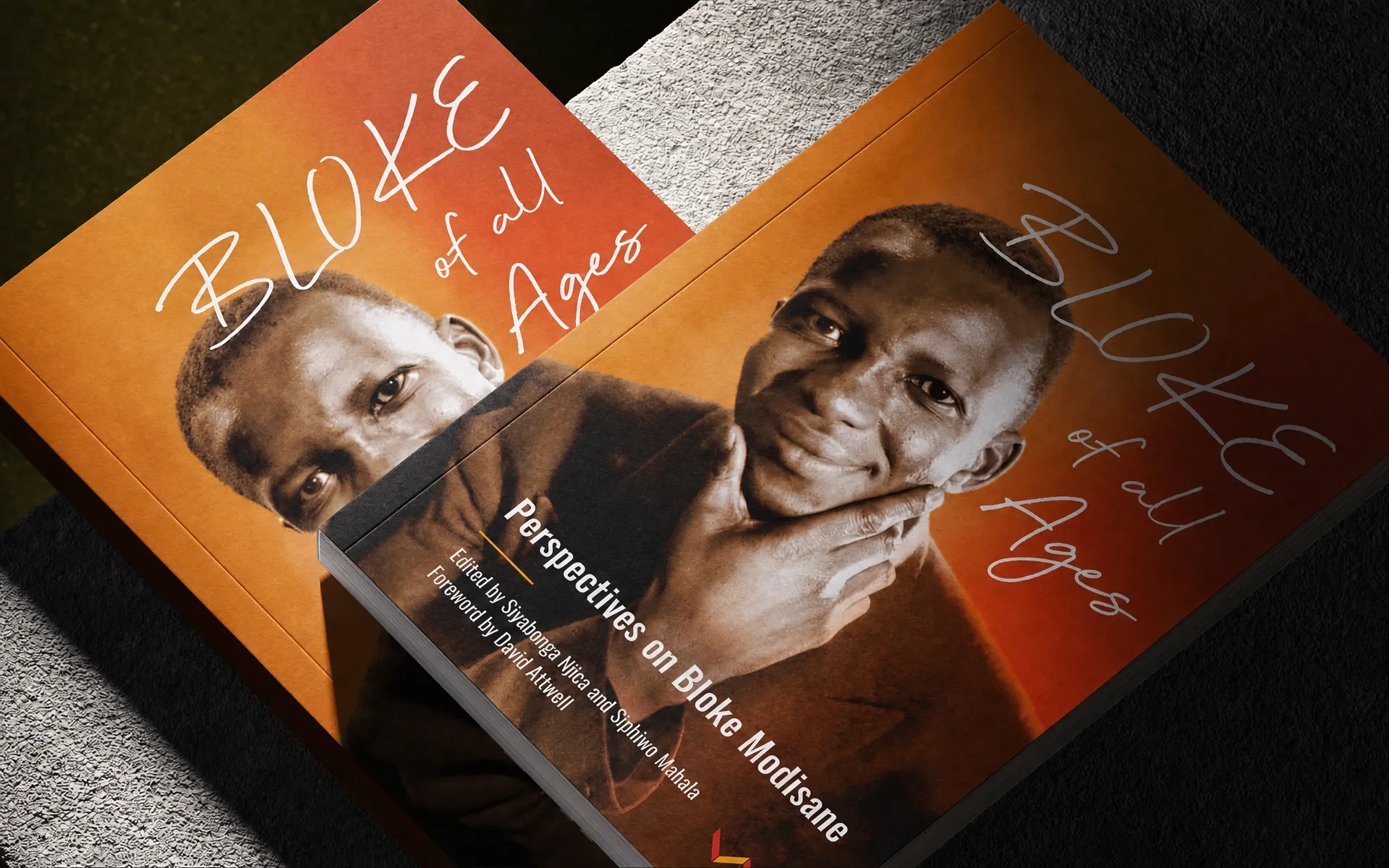
A history of celebrated South African writer and cultural figure William Bloke Modisane reveals the extent to which scholars are reconstructing Africa’s dispersed intellectual history.
Fragments of Bloke Modisane’s life have long been scattered across continents - from radio scripts in London to correspondence in international private collections. Yet his later career is largely absent from the South African record or intellectual conversation.
For decades, Modisane’s story, made famous in his autobiography ‘Blame Me on History’ seemed to end abruptly in 1959, the year he left apartheid South Africa, for exile.
That narrative is now being challenged.
A new book, ‘Bloke of All Ages: Perspectives on Bloke Modisane,’ edited by Siyabonga Njica and Siphiwo Mahala, revisits his life and work, revealing a far more expansive intellectual journey than previously recognised. The book also points to a shift in how African scholarship is reconstructing histories shaped by exile.
For decades, Modisane’s legacy was anchored on his autobiography, published in 1963, which captured the Sophiatown years and the vibrant but short-lived world of Drum magazine. The book became the definitive account of his life, fixing his intellectual identity within a specific place and moment.
According to Njabulo Ndebele, a South African writer and former chancellor of the University of Johannesburg, the autobiography was “more demanding,” of its readers, requiring that they “read it slowly, stopping to ponder,” a depth that revealed an intensely self-conscious intellectual life.
He notes that Modisane “unsparingly revealed himself to his readers,” exposing a layered engagement with the world that extended beyond the immediate realities of apartheid South Africa.
The exile that followed, scholars now argue, did not mark an end; it marked a dispersal.
“What we know about Modisane is what he wrote in ‘Blame Me on History,’ which ends in 1959 when he leaves for exile,” explained Mahala, co-editor of the new volume. “The question has always been, what happens the moment he crosses the border?”
That question sits at the centre of a growing body of research seeking to recover the intellectual lives of African writers whose work unfolded across multiple geographies. In Modisane’s case, exile took him beyond South Africa into a transnational career that included theater, film, and decades-long work in radio broadcasting in London, for the BBC and West German Radio.
“What we are learning now is that he was a multi-dimensional artist and intellectual,” Mahala said, noting that Modisane’s post-exile career extended far beyond the literary identity for which he is most widely known. In London, he established himself as a stage actor and became a regular voice on the BBC, expanding his reach beyond print into performance and broadcast media.