
How Holomisa’s Political Experiment Survived The Changing Tides.
By Johnnie Isaac
28 September 2026 · 5 min read
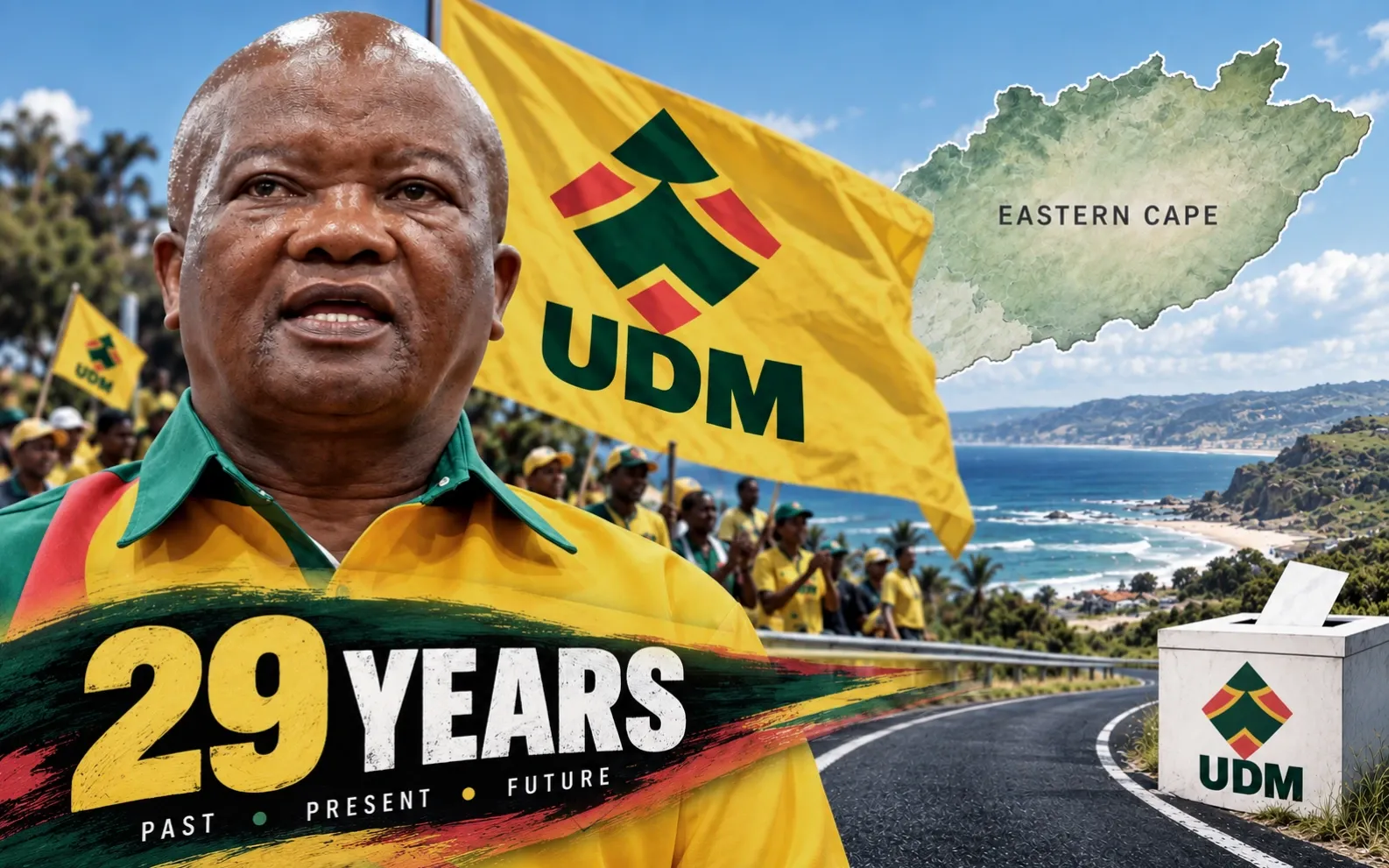
Born in an era of ANC dominance, the UDM has weathered assassinations, defections, floor-crossing and electoral setbacks to find itself navigating a vastly different era of coalition politics.
Almost three dacades ago, Bantu Holomisa and Roelf Meyer embarked on a political experiment that challenged South Africa’s emerging post-apartheid political order.
On 27 September 1997, the United Democratic Movement (UDM) was launched at the World Trade Centre in Kempton Park, bringing together Holomisa’s National Consultative Forum and Meyer’s New Movement Process.
The two men jointly led the new party until its first national congress in June 1998, when Holomisa was elected president and Meyer became his deputy.
Yeaterday, as the UDM marked 29 years, Holomisa looked back on a political journey marked by early electoral success, tragedy, defections, battles over corruption and the survival of a party that began as an alternative to the dominant African National Congress (ANC).
For Holomisa, establishing the UDM was never going to be easy.
He had emerged from a bitter break-up with the ANC after his expulsion from the party following his testimony before the Truth and Reconciliation Commission (TRC). In November 1996, he began consulting South Africans on whether there was a need for a new political party. The National Consultative Forum was subsequently established in February 1997.
The initiative eventually converged with Meyer’s New Movement Process, culminating in the formation of the UDM.
Looking back, Holomisa says the decision to establish a new party was particularly daunting because it meant taking on a political movement that still commanded enormous moral authority and political influence.
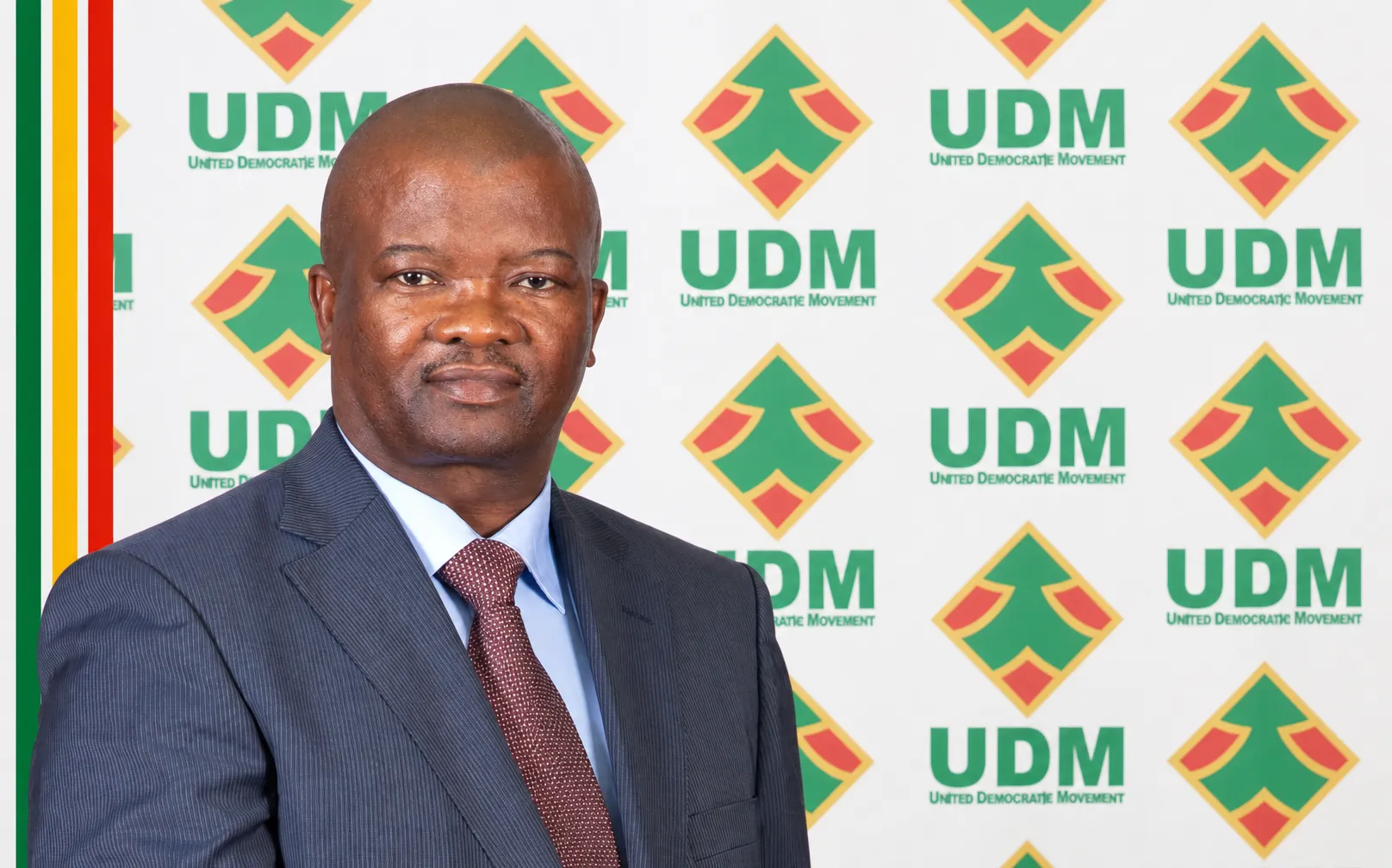
“We didn’t have money like heavily funded political parties, with the ANC being in control of the state resource machinery. But we soldiered on with the resources that we had,” said Holomisa.
He said the party’s central message has remained remarkably consistent over the years, particularly its opposition to corruption.
“Corruption was becoming endemic and, since our formation, our message has been around tackling corruption. We have exposed a lot of corruption over the years,” he says.
The UDM’s early years were characterised by both political promise and turbulence. Holomisa faced attacks and smear campaigns from his former political home, including accusations that he had become arrogant after his popularity within the ANC increased. His expulsion from the governing party had followed his refusal to retract evidence he had given to the TRC.
But the UDM’s greatest early setback came in January 1999 when its inaugural secretary general, Sifiso Nkabinde, was assassinated as the party prepared for South Africa’s second democratic general election.
Despite the tragedy, the fledgling party made a significant electoral breakthrough months later. In the June 1999 election, the UDM secured 546,790 votes 3.42% of the national vote and won 14 seats in the National Assembly. It also established itself as a significant opposition force in the Eastern Cape.
Then came another major blow: floor-crossing legislation.
The legislation allowed elected representatives to leave the parties on whose lists they had been elected without automatically losing their seats. For the UDM, the consequences were severe.
Holomisa recalled the party lost about 10 of its 14 National Assembly seats as representatives crossed the floor, with the effects also being felt in local government.
“Floor-crossing was part of the efforts to collapse the UDM because, as we were losing elected public representatives who crossed with their seats, we were also losing financial resources,” he says.
For a party that had never enjoyed the financial muscle of the dominant political formations, the loss of elected representatives was not simply a political setback. It also had organisational and financial consequences.
Yet Holomisa regards the party’s ability to survive these setbacks as evidence of the strength of its founding principles.
“We have always campaigned against corruption, and we have had a lot of achievements in rooting out corruption,” he says.
Among the matters he cited are the Mpati Commission into the Public Investment Corporation and the removal of former Electoral Commission chairperson Pansy Tlakula following controversy surrounding the IEC’s lease of office space.
He also pointed to his role as one of the witnesses in the case involving former National Assembly Speaker Nosiviwe Mapisa-Nqakula.
Holomisa said the UDM has also developed relationships with whistle-blowers, whom he regards as an important part of the fight against corruption.
“We are the most trusted party, because we are working well with whistle-blowers in taking matters forward without compromising them. We fight their battles,” he says.
Nearly three decades after the UDM was formed, South Africa's political landscape looks markedly different from the one Holomisa and Meyer confronted in 1997.
The ANC's decline in electoral dominance has produced a more fragmented political environment, with parties such as the Congress of the People (COPE), Economic Freedom Fighters (EFF) and uMkhonto weSizwe Party (MKP) emerging from or around fractures in the country's political establishment. The South African Communist Party has also announced its intention to contest elections independently of the ANC.
The changing political landscape has ushered in an era of coalition politics, with the UDM now part of the national Government of National Unity.
Holomisa, who remains UDM president, serves as Deputy Minister of Defence and Military Veterans. He was appointed to the position in July 2024.
For the veteran politician, the current coalition era represents another chapter in South Africa's evolving democracy and another test of the UDM's ability to remain relevant.
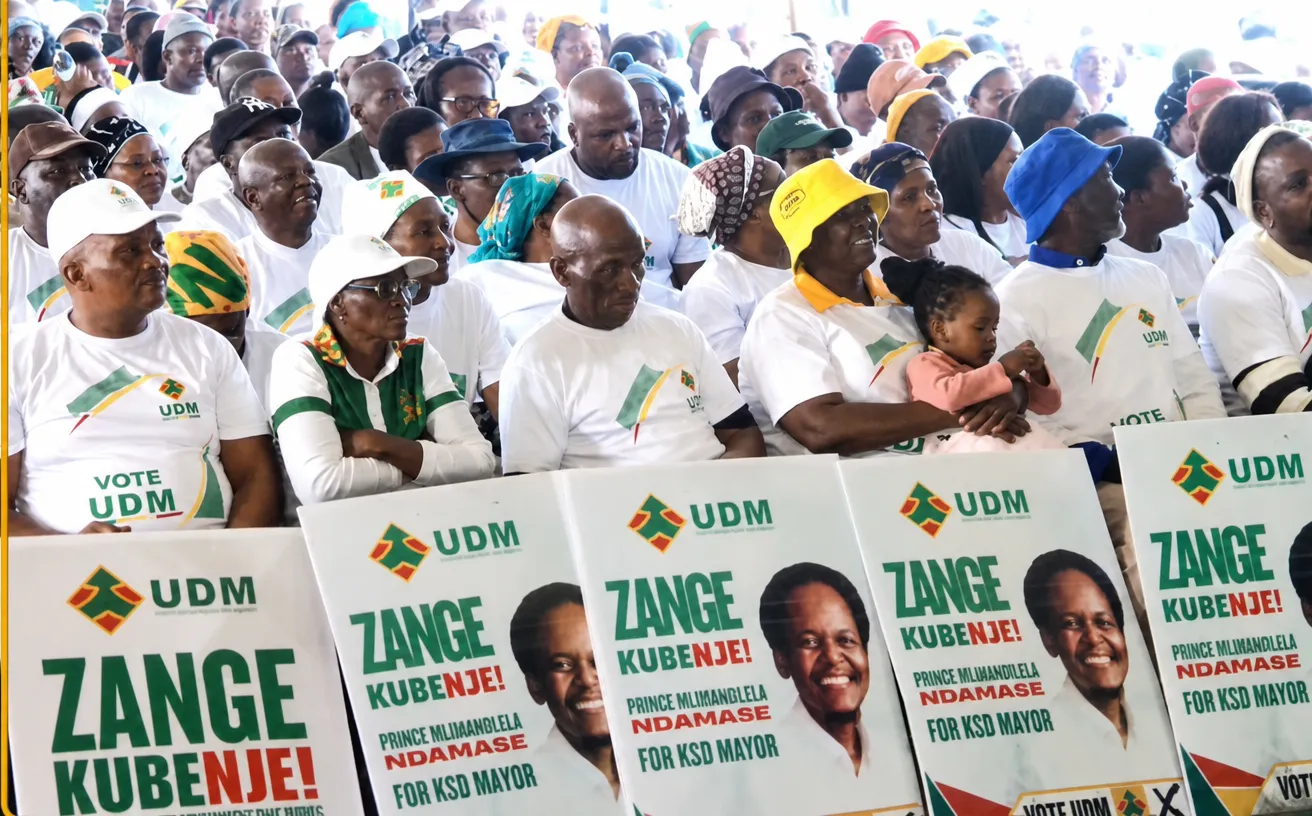
Holomisa also pointed to the party's investment in young people as an important part of its future, saying the UDM's support among younger voters has been encouraging ahead of the local government elections.
But the party's current electoral ambitions have also been complicated by its dispute with the Electoral Commission of South Africa (IEC).
The UDM is among the parties challenging problems it says it encountered with the IEC's electoral system. Holomisa says roughly 45 parties have been affected by what he describes as glitches, although parties face difficulties proving the extent of the problems.
The UDM is joining the ANC's legal challenge against the IEC at the Constitutional Court, with the outcome potentially having implications for the affected parties.
For Holomisa, the current challenges are simply the latest chapter in a political journey that has already survived far greater shocks.
After 29 years at the helm, Holomisa says the decision about when he should step aside as UDM leader is not his alone to make. The final decision, he says, rests with the party membership.
For now, the veteran politician continues to serve the people of South Africa while the party he helped create prepares to enter its fourth decade.
You may also like
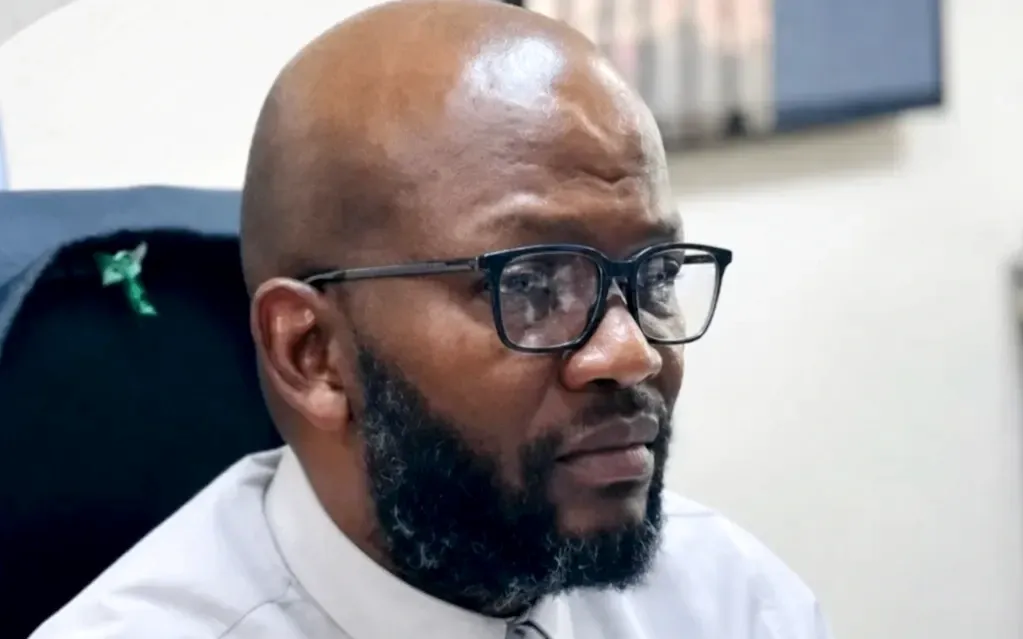
Kumkani Mhlontlo Municipality Municipal Manager Ndabeni, Five Officials Arrested For Fraud, Money Laundering
Zolile Menzelwa · 2d ago · 1 min read
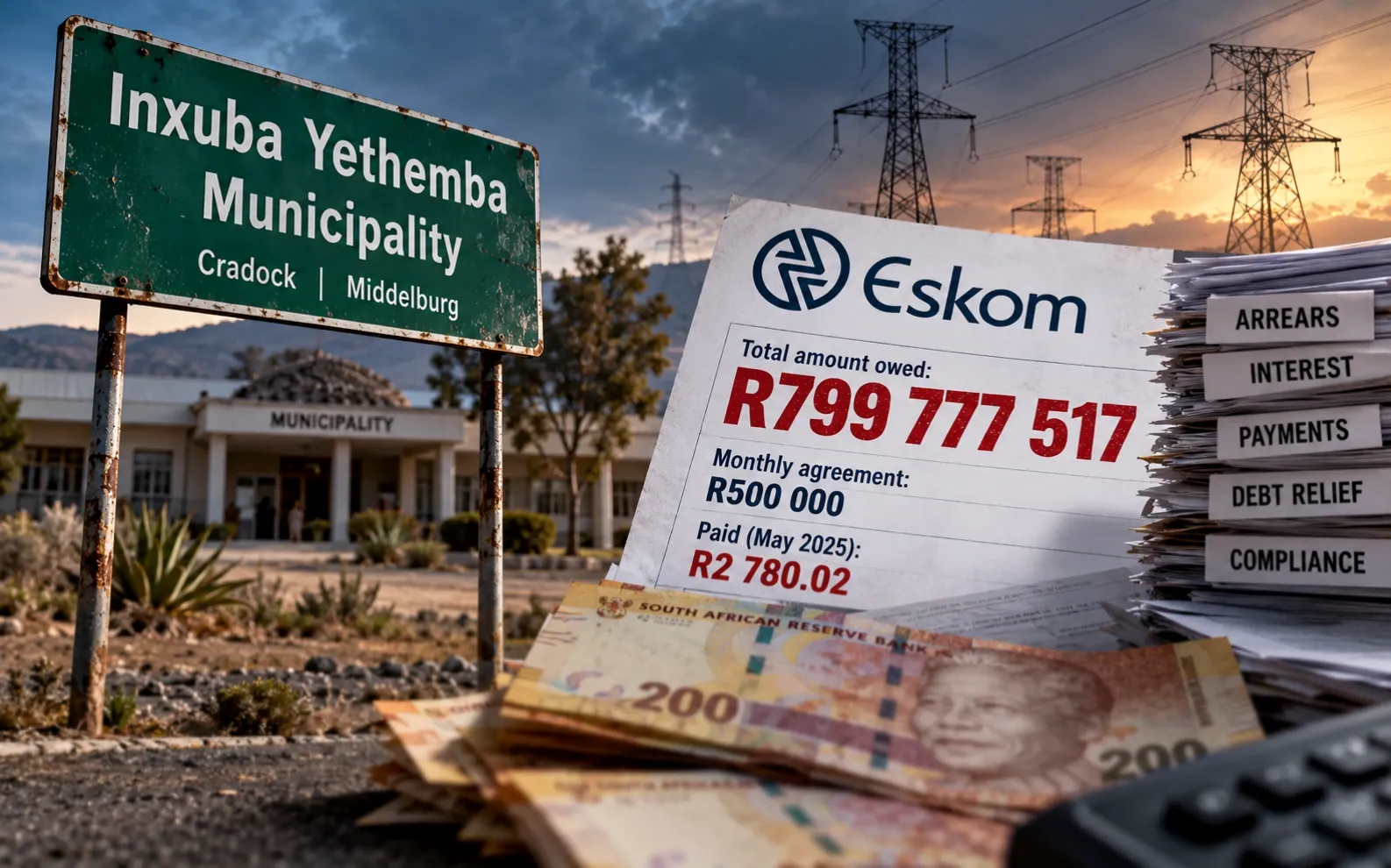
R800m Eskom Debt, R500,000-A-Month Deal — But Eastern Cape Council Paid Just R2,780
Zolile Menzelwa · 2d ago · 2 min read
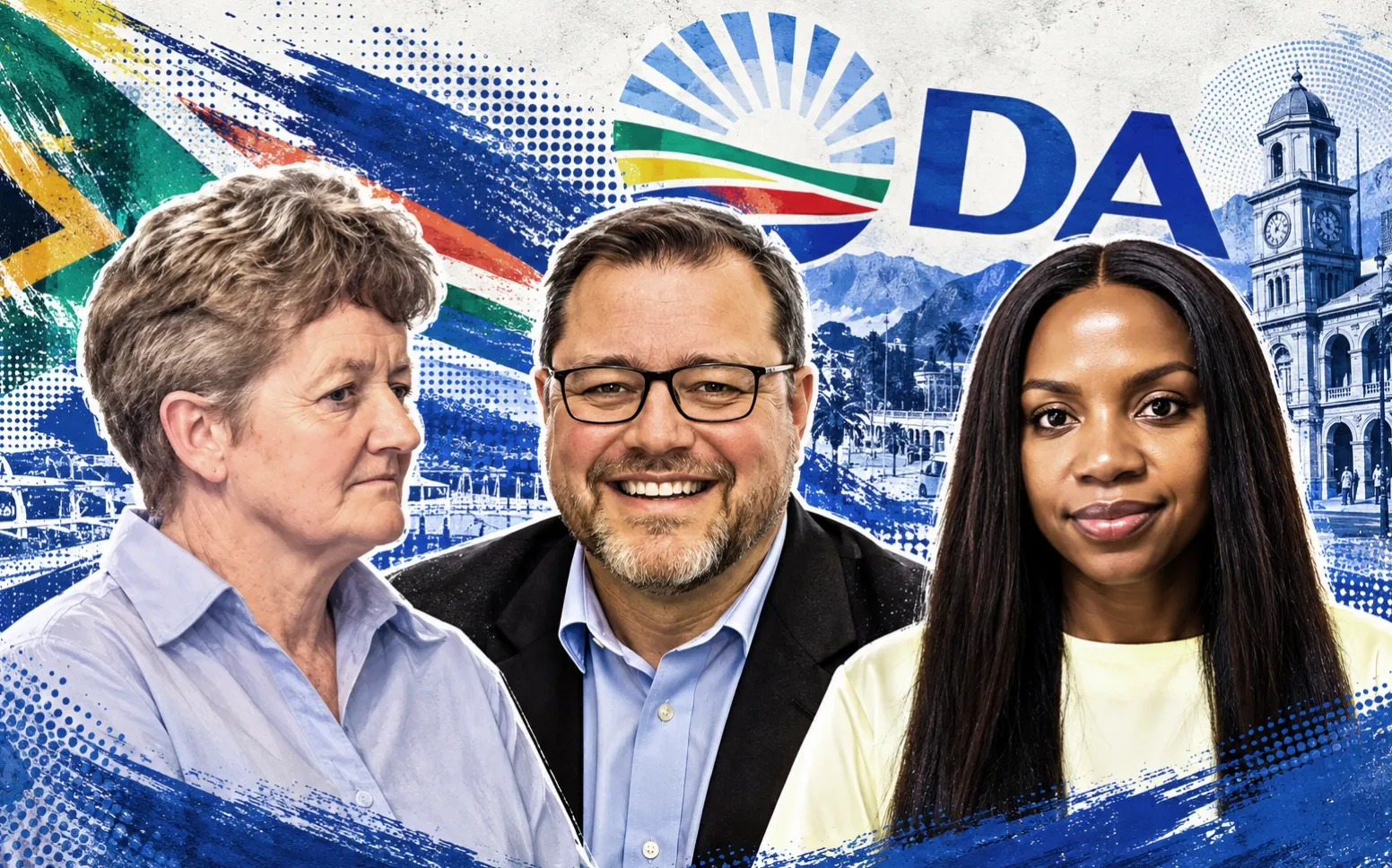
Cupido Return Adds Intrigue To DA’s Buffalo City Strategy As Poll Puts Party Ahead Of Rivals
Johnnie Isaac · 3d ago · 6 min read