
A Rhino Cow, Her Calf and A Future Stolen
By Tembile Sgqolana
4 November 2026 · 3 min read
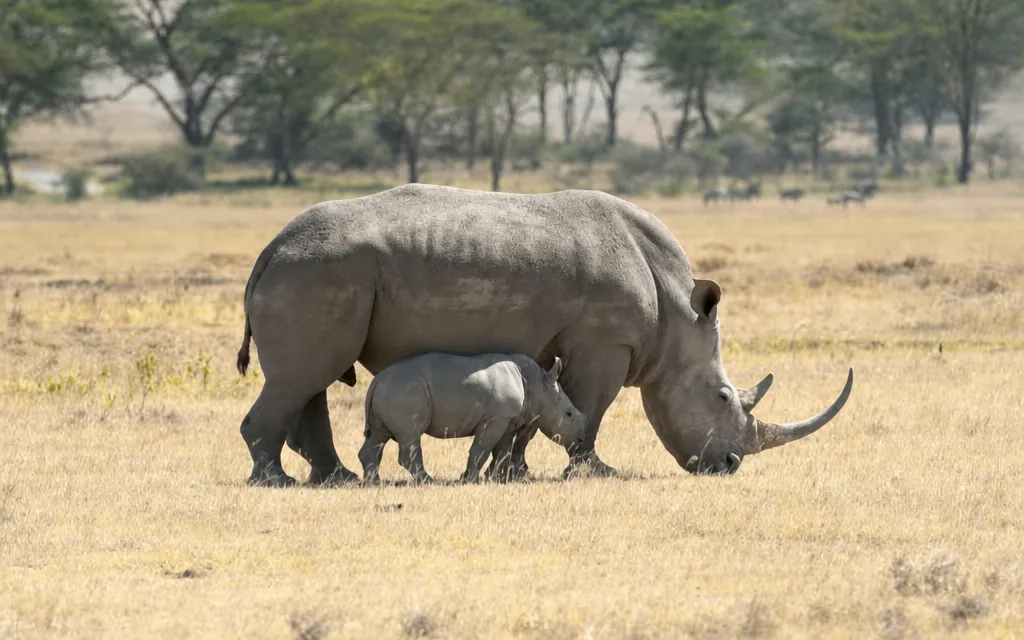
Search teams scour Komani’s Lawrence de Lange Game Reserve for a missing rhino as two suspects appear in court following the recovery of four horns.
The killing of a rhino cow and her calf at the Lawrence de Lange Game Reserve in Komani has dealt a blow to local conservation efforts, highlighting the persistent threat posed by wildlife crime to South Africa’s endangered rhino populations.
The two animals were shot and their horns removed in a poaching incident discovered this weekend (Saturday, 31 October). Two suspects have since been arrested, while a third reportedly remains at large.
The incident has also raised concerns about the protection of the reserve’s remaining rhinos, with one animal still missing following the discovery of the carcasses.
Enoch Mgijima Local Municipality’s game reserve manager, Kevin Lieberum, said the reserve had 10 rhinos before the incident. Seven had been accounted for by Saturday morning, two had been killed and one was still missing.
Search teams were combing the reserve for the missing animal, while the South African Police Services (SAPS), State Veterinary Services and the Department of Environmental Affairs were at the scene.
Municipal spokesperson Lonwabo Kowa said the last poaching incident of this nature at the reserve occurred in 2018. Security had since been improved and include the diligent support of dedicated volunteer rangers.
The latest killings demonstrate the challenges facing conservation authorities and land managers in protecting vulnerable wildlife from organised criminal activity.
Beyond the immediate loss of two animals, the killing of the mother rhino and her calf represents a setback for efforts to maintain and rebuild rhino populations.
Rhino poaching can have consequences beyond the number of animals killed. The loss of breeding females can affect population growth, while the death of calves reduces the number of young animals that could contribute to future generations.
The Department of Forestry, Fisheries and the Environment (DFFE) warned on World Rhino Day in September that poaching continued to threaten the country’s conservation gains.
Between January and the end of August 2026, 230 rhinos were poached nationally, compared with 248 during the same period in 2025.
In the Eastern Cape, five rhinos were poached during the first eight months of this year, up from two during the corresponding period in 2025.
Although the national figures showed a decline in poaching compared with the previous year, the department stressed that every rhino lost to poaching undermined conservation efforts.
South Africa remains home to the world’s largest rhino population, with a minimum estimated population of 15,096 animals at the end of 2025. This included at least 2,565 black rhinos and 12,531 white rhinos, representing a 4.9% increase from 2024.
However, the department cautioned that poaching remained a significant threat to the species’ long-term survival.
The Komani incident follows another double killing in the province last year, when a mother rhino and her two-year-old calf were shot and dehorned at Kariega Game Reserve near Kenton-on-Sea on 24 September.
The discovery at Kariega was prompted by an automated distress alert from the mother rhino’s GPS-enabled tracking collar after the animal had remained stationary for an extended period.
The reserve’s anti-poaching team later found both animals dead.
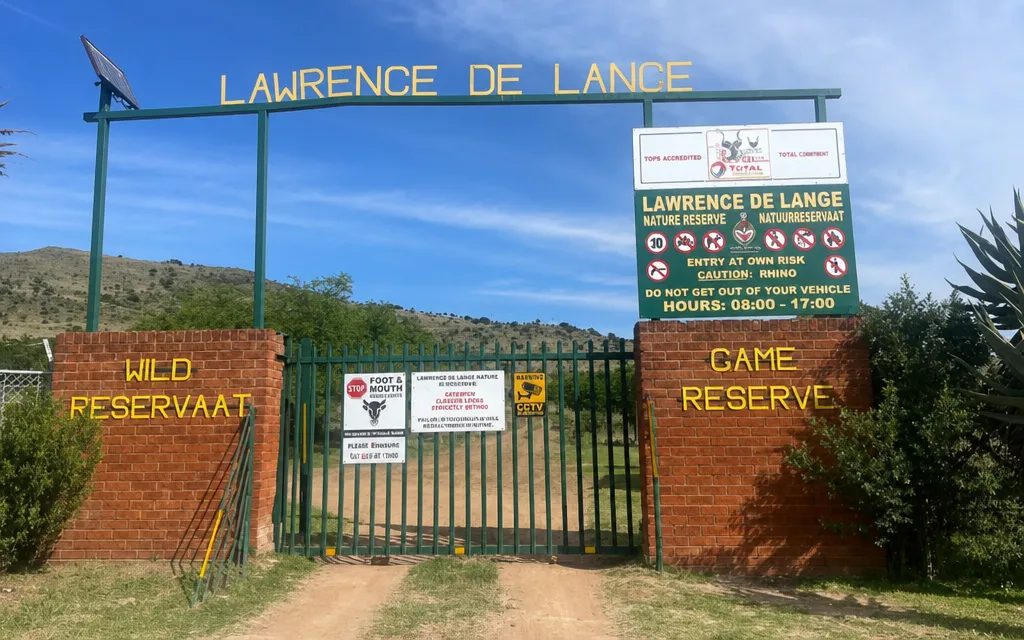
At Lawrence de Lange Game Reserve, the municipality said the latest incident had undermined efforts to protect local biodiversity and develop conservation facilities as tourism attractions that support economic development and employment.
The municipality condemned the killings and said it would review and further strengthen security measures at its conservation facilities.
The DFFE has called for a coordinated response to wildlife crime involving conservation authorities, police, prosecutors, government departments, local communities, the private sector and international partners.
Its National Integrated Strategy to Combat Wildlife Trafficking seeks to target the entire illicit trade, from the poachers who kill animals to traffickers, financiers and those who profit from the international trade.
In the Komani case, police spokesperson Captain Yolisa Mgolodela said intelligence gathered after the discovery of the carcasses helped investigators identify a vehicle allegedly connected to the crime.
“Red Guard Security members spotted the vehicle at a filling station along Cathcart Road at about 16:00 on Saturday and alerted police. The subsequent operation resulted in the arrest of two suspects, aged 35 and 36.”
She said police recovered four rhino horns, a .375 calibre Holland and Holland Magnum rifle fitted with a silencer, live ammunition, an additional unlicensed firearm and a Volkswagen Polo allegedly used in the offence.
“The suspects appeared before the Komani Magistrate’s Court on Monday, 2 November, facing charges relating to the illegal hunting of protected species, possession of an unlicensed firearm and ammunition, and possession of suspected stolen property,” she said.
Mgolodela said the recovery of four horns is now part of the police investigation into the killings.
You may also like

DA Aspires To Win Nelson Mandela Bay Municipality Outright
Thobile Hans · 2d ago · 6 min read

Ramaphosa Dismisses Surveys and ‘Mickey Mouse’ Parties, says ANC Will Finish On Top
Johnnie Isaac · 2d ago · 3 min read

Mboxela Cleared Of Six Misconduct Charges, Only To Face Fresh Suspension
Thobile Hans · 2d ago · 2 min read