Mdantsane: South Africa's Boxing Champion Factory
By Zola Pinda
28 November 2026 · 8 min read
How a township built as a labour reserve produced generations of world champions, put the Eastern Cape on the international sporting map, and created a boxing legacy still waiting for recognition.
There are places whose identities are shaped by the industries they build, the political movements they nurture or the cultural traditions they preserve.
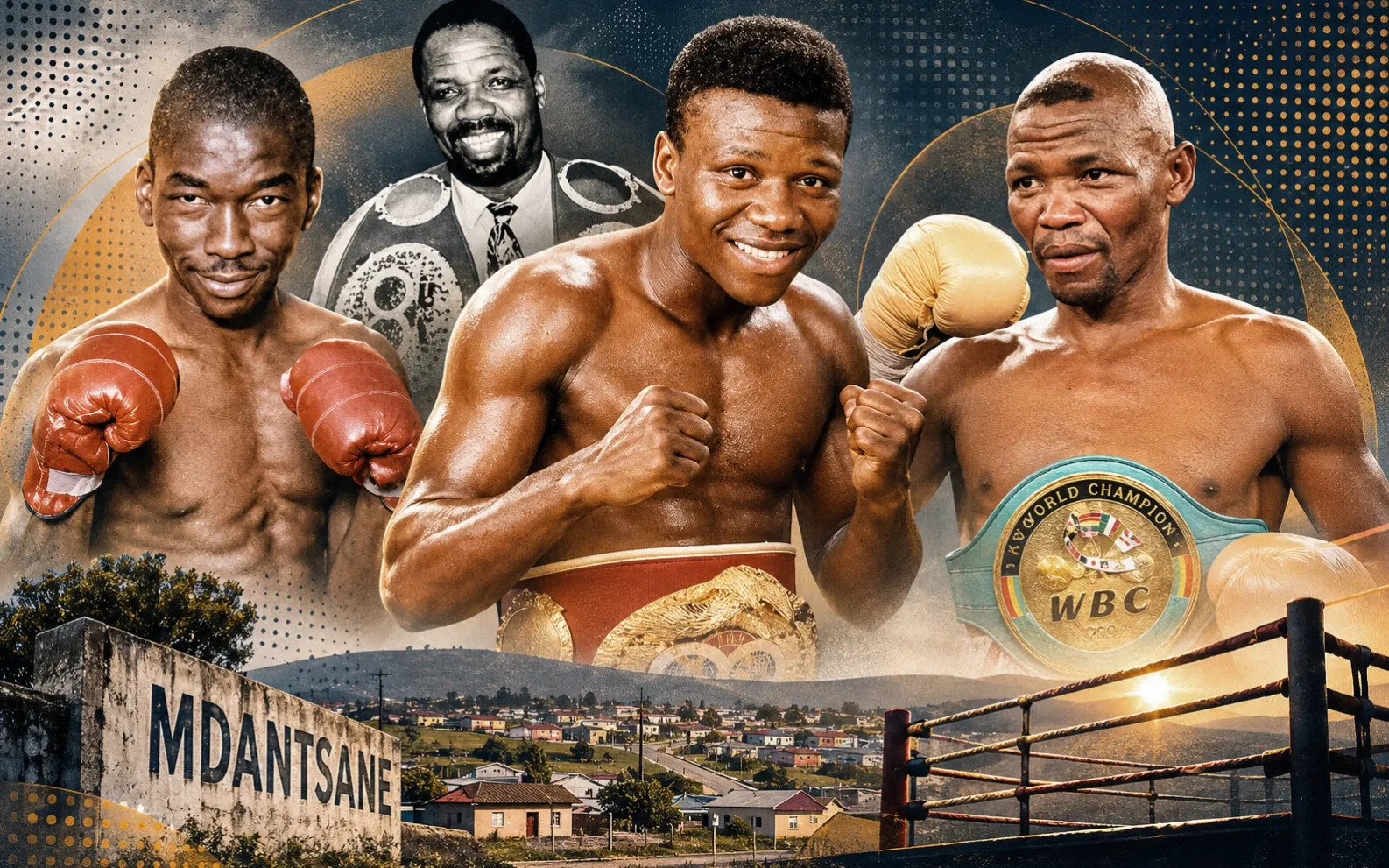
Mdantsane, on the outskirts of KuGompo City in the Eastern Cape, has acquired an identity that is considerably more unusual: it has become one of the most remarkable centres of boxing excellence in the history of South African sport, producing generations of fighters whose achievements have travelled far beyond the township streets where their ambitions first took shape.
The record is not a matter of local pride or of memory polished by time. In an area of roughly 45 square kilometres, between 1970 and 2010, Mdantsane produced something in the order of 22 world champions and 50 national champions. When Professor Njabulo Ndebele set out to count them, South Africa as a whole had produced 67 world champions since the sport began here in the 1920s.
One township, in one of the poorest provinces in the country, accounted for about a third of them.
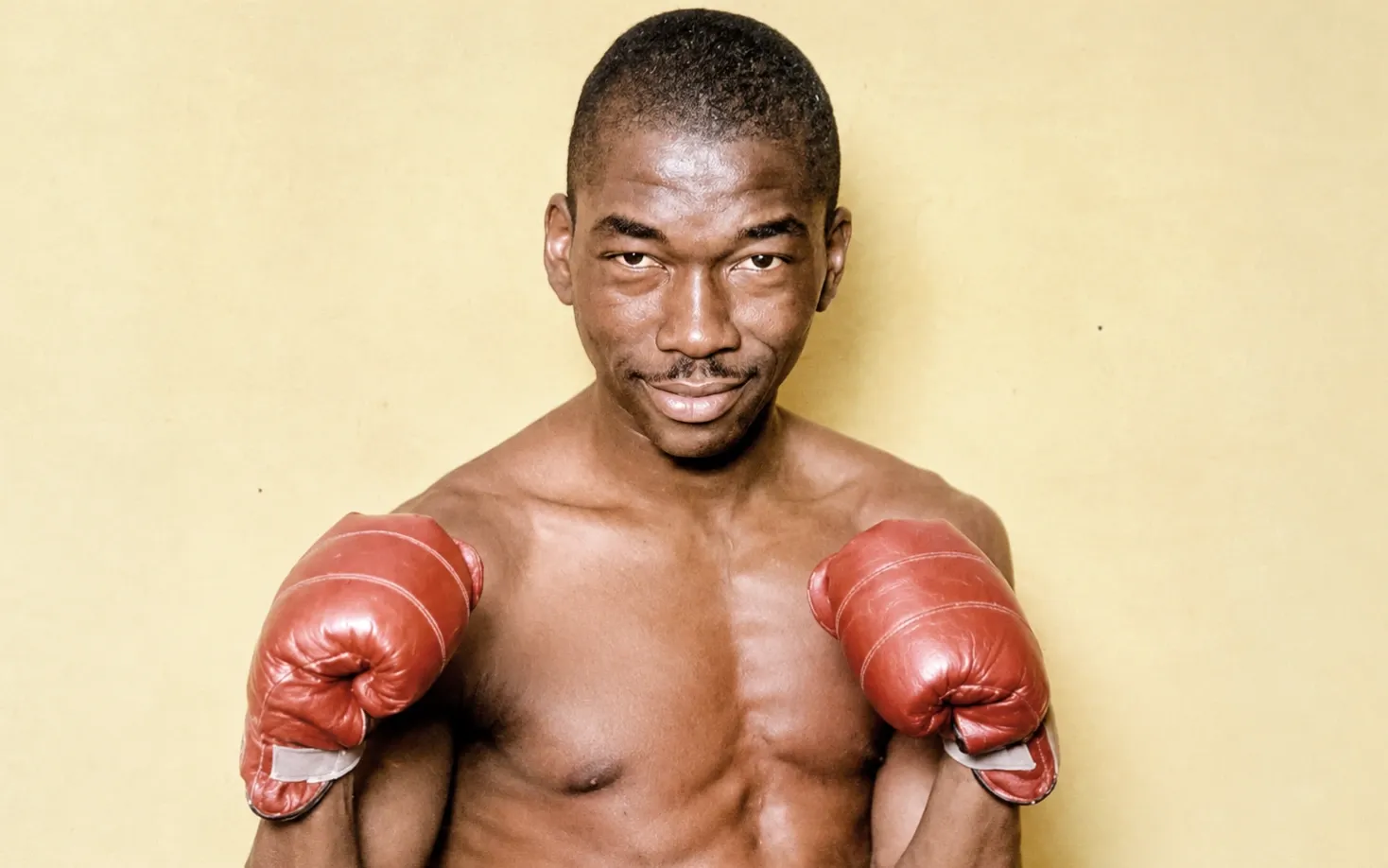
Those figures sit at the centre of Ndebele’s book, Boxers Die Alone, published this year. He approaches the subject not as a statistician of sport but as a critic of culture, and he chooses three fighters to carry the argument across three generations: Nkosana ‘Happy Boy’ Mgxaji, who died in 2010 and without whom, Ndebele says, the history of South African boxing cannot be told; Vuyani ‘The Beast’ Bungu; and Nkosinathi ‘Mabhere’ Joyi. Three men, three eras, one town.
A township built as a labour reserve
Mdantsane was not designed to produce anything except workers. It was established in 1963 on a farm called Umdanzani, and the people who filled it were moved there. The first residents came out of East Bank in East London (now KuGompo City); in 1964 roughly 112,000 people were moved out of Duncan Village and resettled on the outskirts, about 20 kilometres from the city whose labour they supplied. Mdantsane became a homeland town of the Ciskei, administered under the Bantu authorities, and it grew into the second largest township in the country.
What the planners did not calculate was what the people carried with them. Boxing was already established in the East London locations before the removals. It left with the people, and in Mdantsane it found ground where it could take root — a dense population, empty time, few facilities, and no other route by which a young man could put the name of his street in front of the world.
Ndebele describes boxing as a street sport in Mdantsane, and the description is exact. The champions did not begin in gymnasiums; they began in the streets and in the classrooms of township schools, in a discipline that cost nothing but the body. “A field we ploughed with no skills and resources,” is how he renders what the sport meant to the young men who took it up. It was work, and it was entertainment, and it gave the community a sense of itself.
The gym as an institution
From that ground grew the thing that actually produced champions: a system, built by hand, of gyms, trainers, managers, promoters, officials and paying spectators. Its central figure was Mzimasi ‘Mzi’ Mnguni, who took over the Modern Boxing Club in Mdantsane and renamed it Eyethu. By the time of his death in February 2021, aged 72, he had guided ten South Africans to world titles — a record no other trainer in the country has matched.
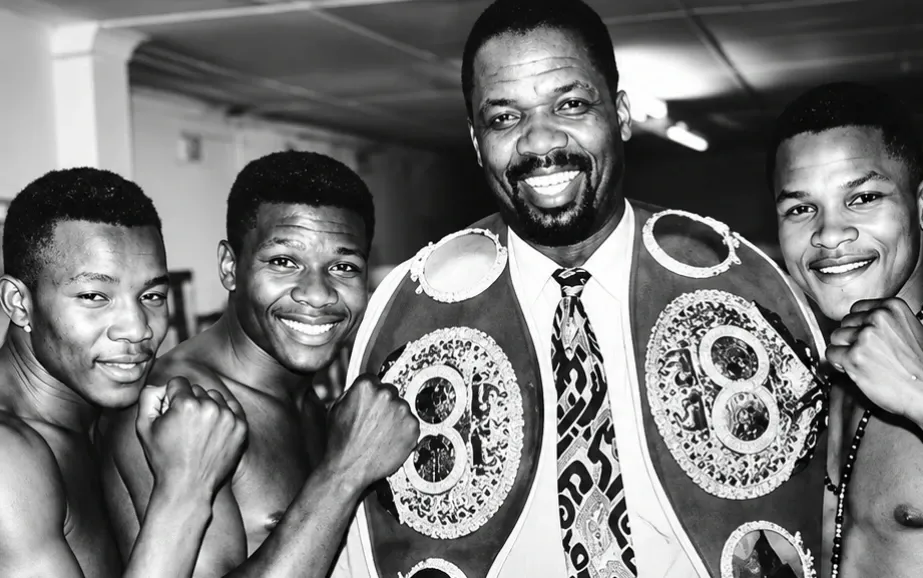
Mnguni ran Eyethu on a rule that reads more like a school than a stable: every boxer is a learner, and you cannot be an uneducated boxer. He banned smoking and drinking among his fighters.
The conditions were monastic, and Ndebele treats that austerity as part of the explanation rather than an anecdote about hardship: fighters produced in bare halls were beating opponents who had come out of well-funded gyms with nutritionists and sports scientists attached to them.
The edge, he suggests, was that they started so young that the skills had become instinctive by the time they turned professional.
Mnguni did not do it alone, and the record is honest about the men around him: his nephew Welsh Mnguni, who died in 2009; the American trainers Luther Burgers and Terry ‘Bubba’ Stotts, who worked corners for Eyethu fighters; Ncedo Cecane, who took over as chief trainer and kept the gym running with a dozen and a half boxers, most of them professional, housed and fed whether or not there was a fight on the calendar.
Beyond Eyethu there were the independent trainers — Bonisile Magugwana, who took the teenage Sakhumzi Magxwalisa to a WBU title in Thailand in 1996, Mxhosana Jongilanga, Spokes Witbooi, Matiwane Sompunzi, Menzi Nqodi, Dowie Mzini — and the administrators, among them Les Muller, who built the Border Boxing Board of Control out of nothing.
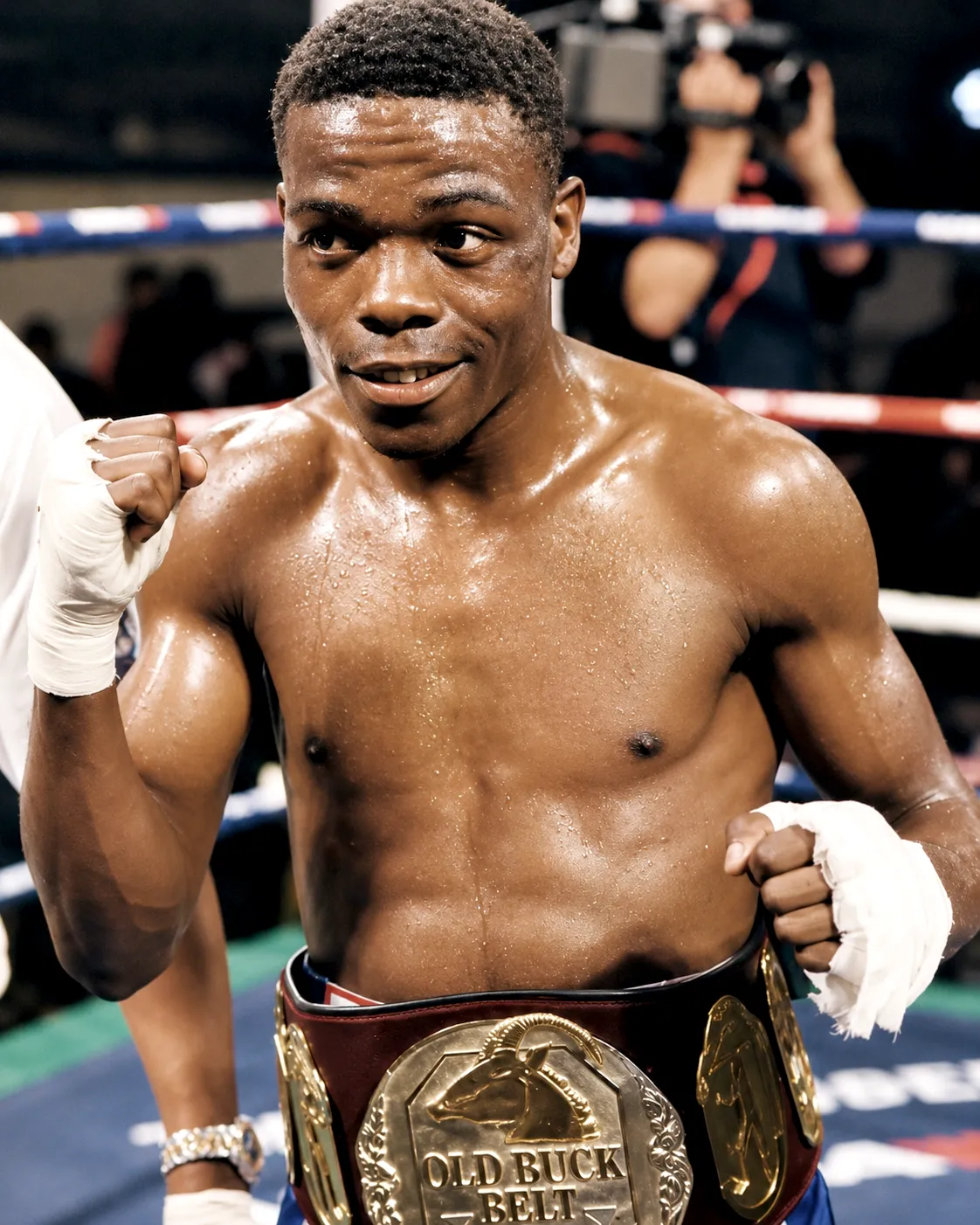
That is what an institution looks like. Not a genius and a lucky decade, but a structure with a feeder system, a coaching cadre, a promotional circuit, a rule-making body and an audience that bought tickets. Take any one of those away and the champions stop coming, which is precisely what happened.
What the names did for the Eastern Cape
In 1990 Welcome Ncita beat the Frenchman Fabrice Benichou to win the IBF junior featherweight title, becoming only the second black South African to hold a world championship crown.
Four years later, in August 1994, Vuyani Bungu stopped the unbeaten American Kennedy McKinney in a fight almost nobody gave him a chance of winning; he went on to defend that title 13 times, more than any South African boxer before or since, and retired in 2005 with 39 wins, 19 of them inside the distance.
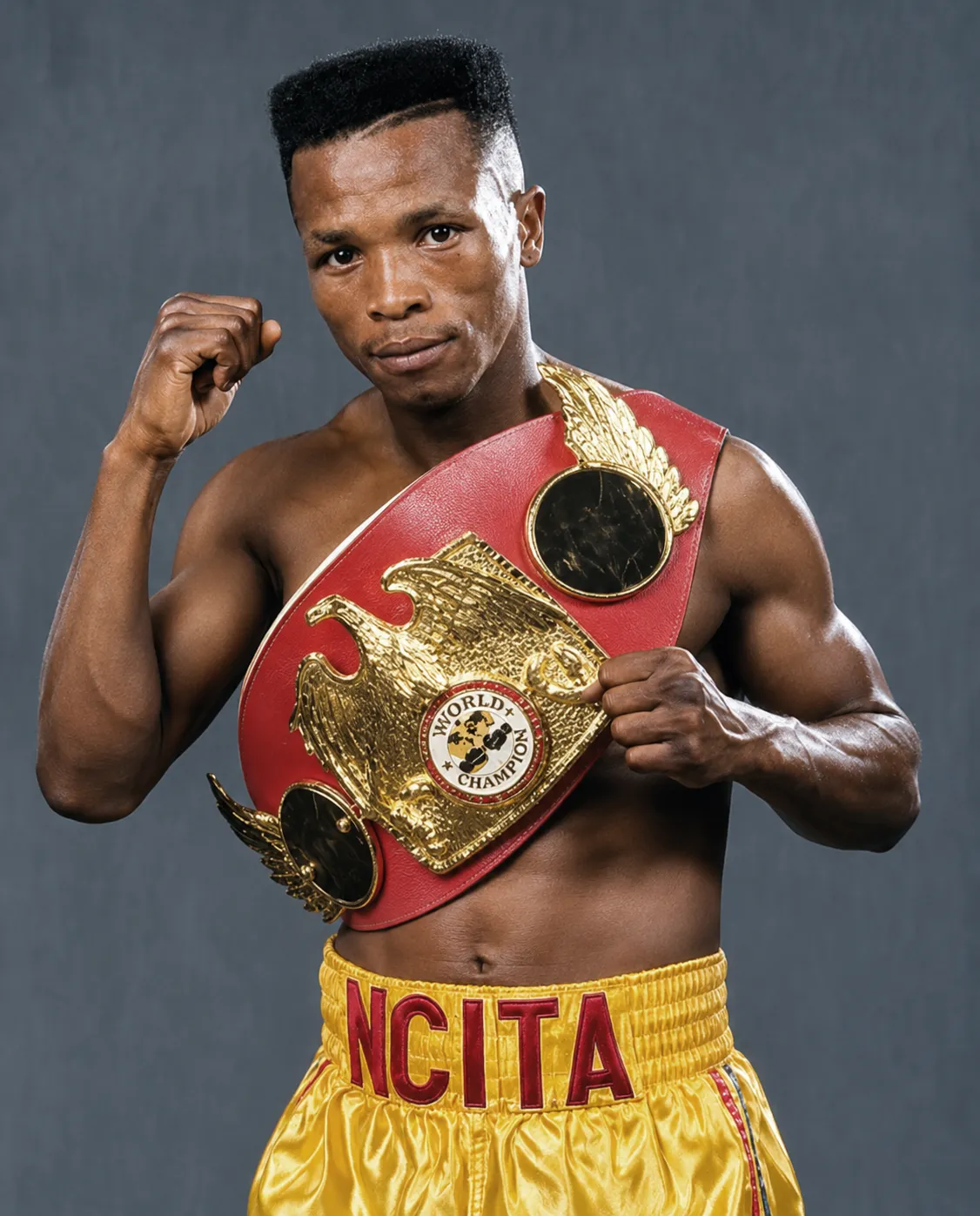
Around them stood Mbulelo Botile, a three-time champion across bantamweight and featherweight; Zolani Petelo, a minimumweight champion; Masibulele ‘Hawk’ Makepula, the township’s first Olympian, who went to Atlanta in 1996 and came back to win at flyweight; and, in the next generation, Nkosinathi Joyi, a minimumweight champion in 2010, followed by Zolani Tete and Noni Tenge. The gyms that made them kept producing national champions in between — the belt holders whose names rarely leave the province but who filled the halls that paid for the champions above them.
Here is the part that is never counted. Every one of those title fights was staged somewhere else — in a marquee at Hammanskraal, in an arena in Texas, in a hall in England — and every one of them printed the same two words beside the fighter’s name: Mdantsane, Eastern Cape. For four decades, the most reliable international publicity this province received came not from its politics, its universities or its industry, but from a fight card. The Eastern Cape’s name was made familiar to millions of people who will never see it, by men who were paid very little to make it so.
The reckoning
Ndebele’s title is not decorative. A significant number of these champions died poor. The money and the adulation were real while the career lasted and were gone when it ended, and the institutions that had profited from the spectacle were not there afterwards. That is the second half of the Mdantsane story, and it is the half that recognition has to address if recognition is to mean anything more than a plaque.
By 2002 the decline was being reported in the past tense. When Botile was stopped by Cassius Baloyi, a newspaper sent to cover the fight framed it as the end of a stronghold: Bungu beaten by Lehohonolo Ledwaba, Makepula beaten by Mzukisi Sikali, and a run of Border fighters losing national title bouts. The causes were structural, not personal — trainers who left because the competition no longer looked fair, fighters who followed the title opportunities to one stable, and an administrative vacuum after Muller’s stroke removed the man who had held the board together.
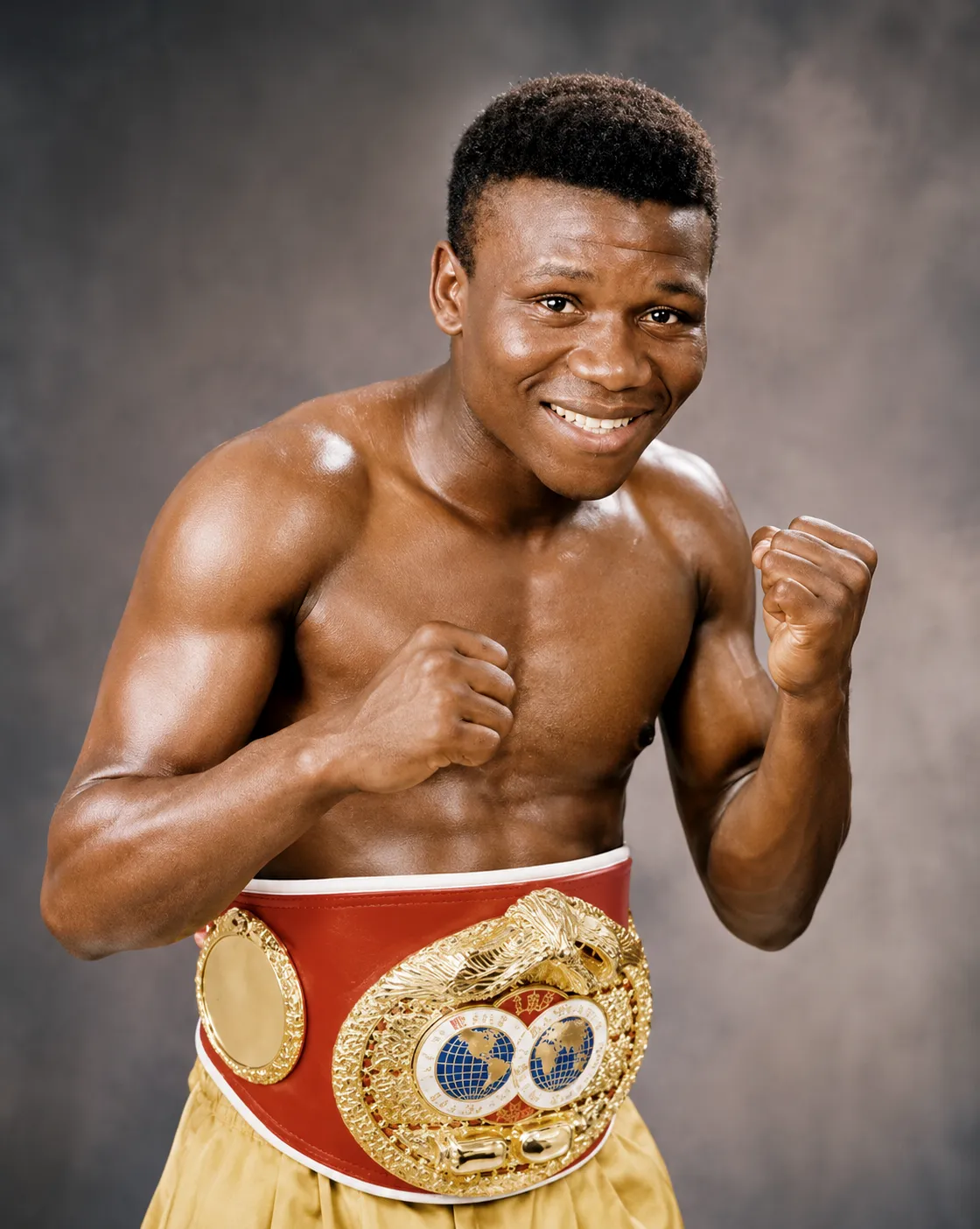
It is worth being precise about what declined. The talent did not stop appearing in Mdantsane; it never has. What thinned out was the structure around it — the promoters willing to stage cards here, the money to keep a gym open between fights, the officials able to run a title bout without outside help. A town that had been a factory became, for a while, a place that exported raw material.
Why recognition is not sentiment
The case for recognising Mdantsane’s boxers is usually put as gratitude, and gratitude is the weakest form of the argument. The stronger case is that this is an institution of the province that has never been documented, funded or taught as one. There is no serious archive of the fight cards, the posters, the photographs and the local reporting that would let a historian reconstruct what happened here between 1970 and 2010. There is no curriculum in which a child in NU 2 learns that the discipline being practised three streets away is the reason this township is known on four continents. There is no hall of fame in the province that holds the trainers as well as the fighters — which is why the boxing fraternity was still petitioning for Mnguni’s induction after his death.
And there is the economic argument, which the province is slow to make. Heritage that is documented can be visited, taught, exhibited and sold. Heritage that exists only in the memories of ageing men in a gymnasium cannot. Mdantsane has a genuine claim on the world’s attention in a sport with a global audience, and it has been making that claim on its own, without support, for sixty years.
The gym still opens. Cecane still trains his fighters in Mdantsane, still houses them, still finds food for them when there is no purse in sight, in the same tradition Mnguni set down: every boxer is a learner.
Alongside the neglect, and in the absence of any institutional recognition, the work simply continues. That is not a story about nostalgia. It is a story about a place that has kept a promise to itself for six decades and has never been asked, by anyone with resources, what it needs to keep it.
A champion factory is not a metaphor. It is an arrangement of people, halls, rules and spectators that turns children into fighters and fighters into the name of a place. Mdantsane built one. The province has been trading on the reputation ever since.