
Health Authorities Roll Out New HIV Weapon As Attention Shifts To Eastern Cape’s Epicentre
By Thobile Hans
17 October 2026 · 6 min read
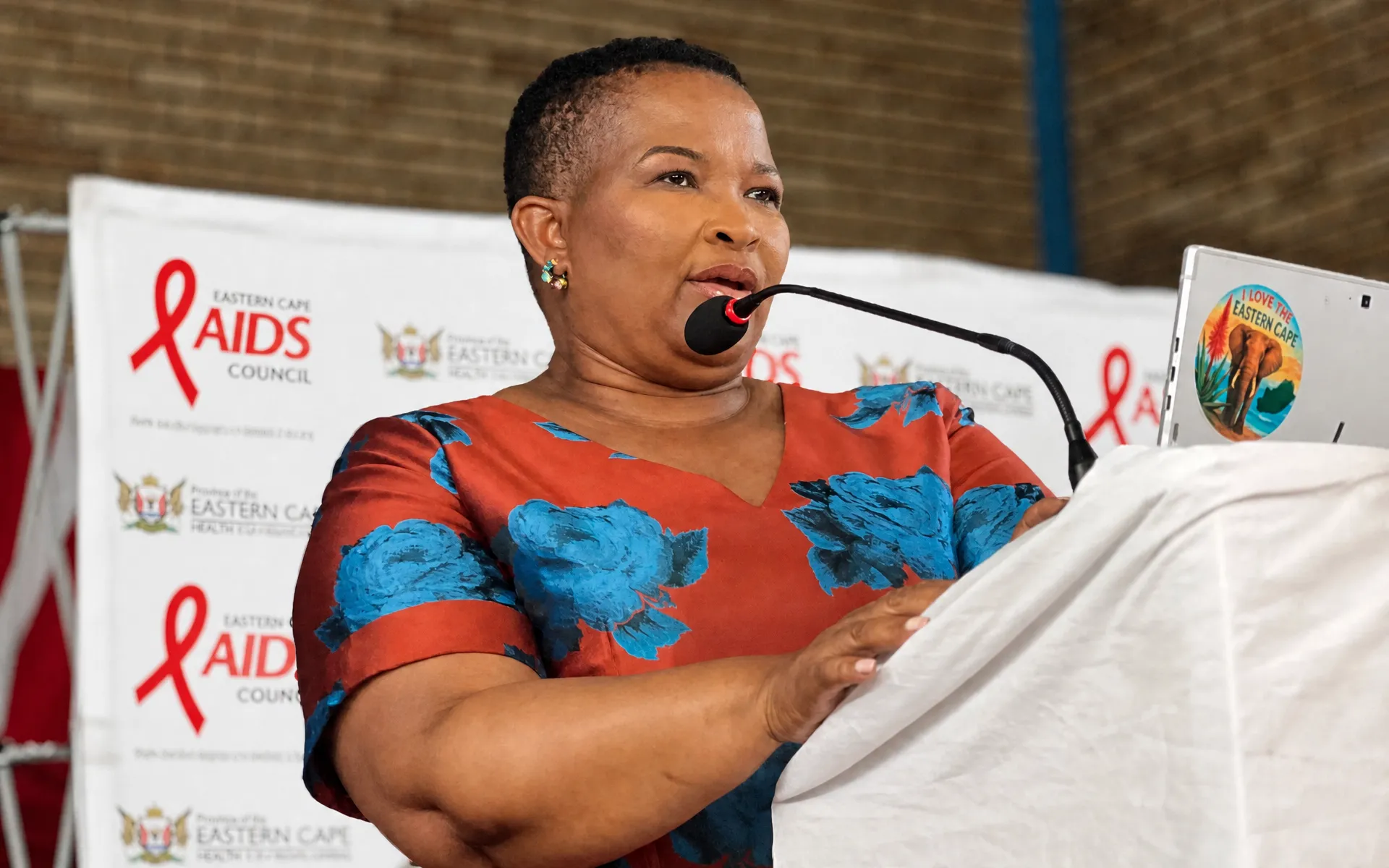
Twice-a-year injection promises greater choice, privacy and protection as health authorities intensify the fight against HIV in Nelson Mandela Bay.
Nelson Mandela Bay has become the “epicentre” of the Eastern Cape’s HIV/Aids challenge, prompting provincial health authorities to turn their attention to the metro as they roll out a new twice-a-year injectable HIV prevention option.
On Thursday the Department of Health launched the provincial rollout of Lenacapavir in KwaNoxolo, Gqeberha, alongside a cervical cancer elimination strategy, as part of an intensified response to HIV, TB, STIs and cervical cancer. Authorities said the decision to return to the Bay area — which also hosted the provincial World Aids Day commemoration last year — was deliberate because of the scale of the challenge facing the metro.
The province’s MEC for health, Ntandokazi Capa, was joined at the launch by the MEC for Rural Development and Agrarian Reform, Nonceba Kontsiwe, the leadership of the Nelson Mandela Bay Metro, the Eastern Cape Aids Council, health sector partners, civil society and community stakeholders.
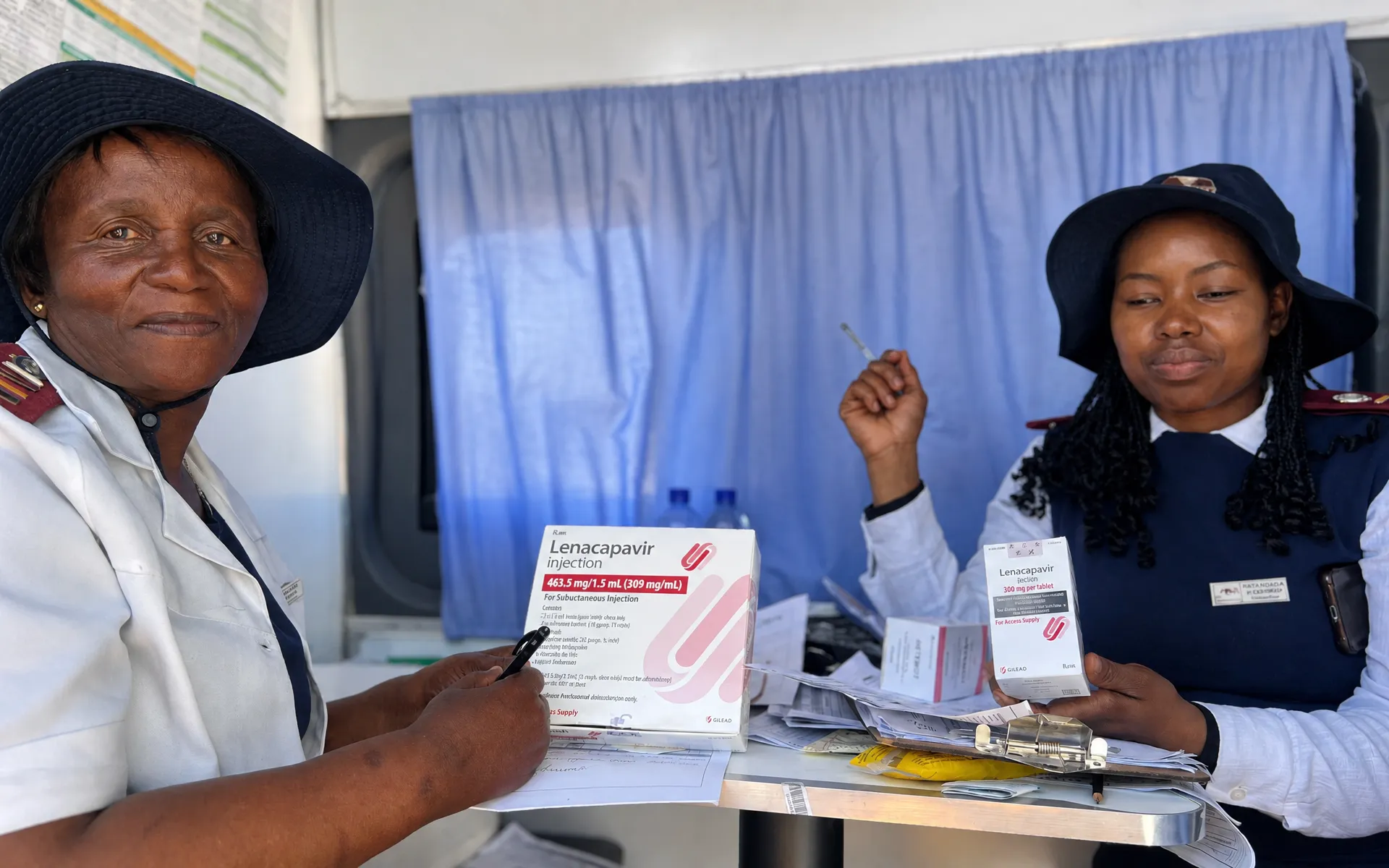
The launch of Lenacapavir treatment in Gqeberha, which reduces a four times dose in three months to a two times injection in a year, was the continuation of the already underway implementation in the province that is considered as one of the problematic areas in the country. The national launch took place in June in Mpumalanga.
Capa said Nelson Mandela Bay Metro was considered for the provincial launch due to its population profile and HIV prevention needs. The metro has an estimated population of 1,3million people, while Gqeberha is the largest urban centre in the Eastern Cape. The departmental programme information also identifies the metro as an important area for intensified intervention among young people and key populations.
According to the health provincial department, by June 30, 2026, 1,427 clients had been initiated on Lenacapavir across 49 facilities in Alfred Nzo, Buffalo City Metro, Nelson Mandela Bay and OR Tambo. Of these, 316 clients were initiated across 13 facilities in Nelson Mandela Bay. The programme is aimed at improving PrEP adherence, expanding prevention choices, reaching population at greatest risk and strengthening integrated service delivery, monitoring and community engagement.
Capa said since they lost the President’s Emergency Plan for Aids Relief (PEPFAR) funding under President Donald Trump’s administration, they have since secured lucrative funding from The Global Fund to assist South Africa’s HIV/Aids programme.
Melikhaya Lusiti, co-chairperson Eastern Cape Aids Council (ECAC) and chairperson of the Eastern Cape Civil Society Forum, said they had to return back to the Nelson Mandela Bay for the launch of Lenacapavir because the area has become the epicentre of HIV/Aids in the province.
“You would remember the provincial World Aids Day commemoration last year was also here. As much as the whole province faces challenges when it comes to response to HIV, TB and STIs, there are glaring challenges in Nelson Mandela Bay. We said let’s come back to Nelson Mandela, I don’t want to say it is hotspot because the whole province is the hotspot on its own. We thought this launch must come here so that the eyes of the department can come to the district and resolve whatever challenges that they may be there.”
Lusiti said despite concerns from clinicians about the six-month injection, as civil society they have belief in the people.
Vuyiswa Mandisa Ngcakani, the vice-chairperson of the Eastern Cape AIDS Council Private Sector Forum, said, “For years our response to the epidemic has relied heavily on the consistency of daily discipline. But we know that life, work, and social realities often disrupt that consistency. Lenacapavir changes the playing field entirely. A highly effective, long-acting injectable Pre-Exposure Prophylaxis (PrEP) administered just twice a year means that choice, privacy, and adherence are finally within reach for our most vulnerable populations.”
Ngcakani said HIV is not just a public health issue; it is an economic and corporate priority. “The private sector is the engine of the Eastern Cape’s economy. From our bustling automotive plants here in the Nelson Mandela Bay to our agricultural networks and local enterprises – our greatest asset is our workforce. When health fails, families suffer, productivity declines, and our economy weakens. Conversely, when we invest in robust health innovations, we protect our employees, stabilize our communities, and future-proof our industries,” added Ngcakani.
Nelson Mandela Bay Council Speaker, Eugene Johnson, said the programme will help to save lives, detect cancer earlier and the will live healthier and they will know what to do. “We are inviting everybody to come and do some of the tests and identify early what is wrong with you because you can test for HIV and TB.
We want a health city, we want our women to be healthy, they must go to work and we want our men to be healthy and be fathers to our children and live long. On what is the metro currently doing to capacitate the health facilities, Johnson said there is a plan to resolve the challenges facing shortage of staff at the clinics which sometimes lead to community members to protest like it recently happened at Zwide and Motherwell clinics.
Johnson said the province has taken note of what is happening in the city, and they are fixing what is wrong in the clinics. “After this the focus would be on clinics to capacitate them. To make sure there is enough medicine and to avoid long queues at the clinics. There’s a plan that the city has and soon will be able to resolve the challenges that we have,” said Johnson.
Weighing in on the question of capacity in the local health facilities, Capa said they introduced Central Chronic Medical Dispensing (CCMD) because the department found out that 80% of patients are there to take their treatment. “We are saying, especially in Gqeberha area, let’s decentralise, let’s make sure that people who take chronic medication do not have to come to the facility. We encourage them to register with the CCMD. We are lobbying people to get their treatment closer them,” Capa added.
Dr Sibongile Mandondo, project leader ECDHO cervical cancer elimination strategy, highlighted the importance of recognising potential warning signs of cervical cancer and seeking medical attention early. The gynaecologist base in Amathole District said persistent vaginal discharge, bleeding after sexual intercourse or unusual bleeding after menopause should be assessed by a healthcare profession.
Simphiwe Sandlana, operational assistance mananger at TB HIV Care, said that this is an opportunity to renew their collective commitment to a healthier, better informed, and equitable Eastern Cape. “We commend the Eastern Cape Department of Health and its partners for strengthening HIV prevention and advancing cervical cancer elimination. These initiatives invest in the health, dignity, and well-being of our communities, especially women, adolescent girls, and populations facing barriers to essential service,” said Sandlana.
“Let us translate this launch into measurable improvement in people’s lives. Together, we can strengthen HIV prevention, accelerate cervical cancer elimination, reduced health inequalities, and build healthier communities throughout the Eastern Cape,” Sandlana further pleaded with the provincial health department and health stakeholders present.
Ward councillor, Mphumzi Momo, pleaded with the provincial leadership to provide his community of above 11,000 with a health facility. The people travel not less than 3K to access health service in the neighbouring areas and they are sometimes turned away as they asked to produce a proof of address.
Through the department’s initiative Services on Wheels, residents of KwaNoxolo and the surrounding areas accessed free health services including HIV testing and TB screening, STI screening and management, cervical cancer screening and prevention and pre-cancer treatment, PrEP and PEP, pregnancy testing, eye care, dental care, and condom distribution.
You may also like

Port St Johns Mayor Fired: Council Rejects Cogta Pick
Zolile Menzelwa · 1d ago · 3 min read

South Africa, Let’s End Hunger By Putting A Meal On Someone’s Plate
The Coastal Reporter · 1d ago · 3 min read

The Church, The Pulpit And The Race For The Mayoral Chain
Lubabalo Ngcukana · 2d ago · 3 min read