
Nelson Mandela Bay Gets 153 New Homes Against 100,000 Housing Backlog
By Asemahle Mfombi · Gqeberha
7 October 2026 · 4 min read
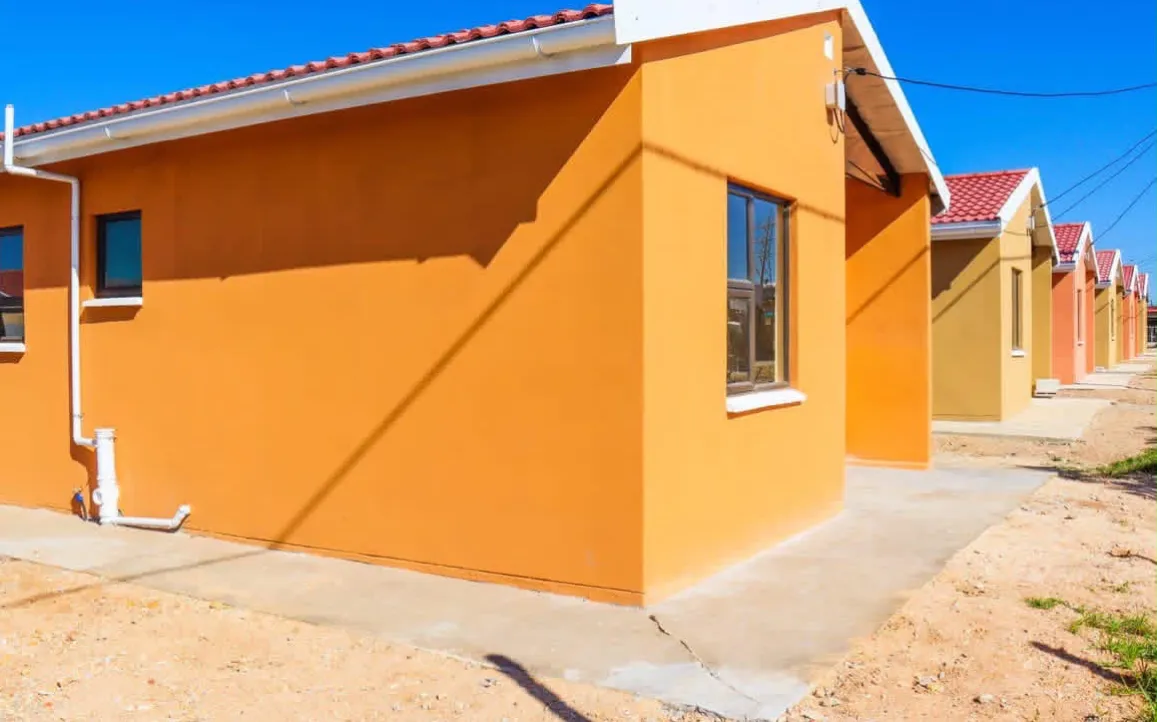
Construction is under way in Joe Slovo and KwaNobuhle, bringing hope to families while exposing the funding squeeze frustrating the metro’s fight against its massive housing backlog.
For 153 families in Nelson Mandela Bay, the prospect of moving into a formal home is no longer a distant promise.
Construction has begun on two human settlements projects in Joe Slovo, Gqeberha, and KwaNobuhle Area 11, Kariega, in a combined investment of R33.3 million—but the developments also expose the enormous gap between the metro’s housing needs and the funding available to address them.
The projects, which got under way last week (1 October), will deliver 83 houses in Joe Slovo and 70 in KwaNobuhle, with completion scheduled for February 26 2027.
While the 153 houses will bring much-needed relief to selected households, they represent only a fraction of the demand facing the metro, which has an estimated 100 000-unit housing backlog and about 150 informal settlements.
The scale of the challenge becomes clearer when looking at the original applications.
Nelson Mandela Bay Municipality requested funding for 500 houses in Joe Slovo and another 300 in KwaNobuhle Area 11. However, funding was approved for only 83 and 70 houses respectively—153 homes out of the 800 requested.
That means roughly one in every five homes requested, received funding.
The Joe Slovo development has been allocated R18.07 million, while KwaNobuhle Area 11 has received R15.24 million, bringing the combined investment to R33.3 million.
The projects are being funded through the human settlements funding system, with the Eastern Cape Department of Human Settlements approving the allocations. The Municipality says its ability to address the backlog is further constrained by pressure on human settlements grants, increasing construction costs, limited serviced land and the need for bulk infrastructure before homes can be built.
Nelson Mandela Bay Executive Mayor Babalwa Lobishe acknowledged that the number of houses may appear small against the scale of the backlog, but said each house represents a significant change in the life of a family.
“This number might sound like a small number, but it means a lot to an elderly woman who stays in a shack with her grandchildren, who by the Easter season will spend time in a formal house for the first time.”
Lobishe said beneficiary selection would prioritise vulnerable residents, including elderly people, child-headed households, people with disabilities, unemployed residents and households earning less than R3 500, in line with the Human Settlements policy.
The approach reflects the Municipality's stated commitment to ensure that those considered most vulnerable remain at the front of the queue.
Beyond the construction of homes, the developments are expected to provide an economic boost through local enterprise participation.
Seven small, medium and macro contractors have been appointed across the two projects — three at Joe Slovo and four at KwaNobuhle Area 11.
The Municipality says this is intended to ensure that public spending on housing also contributes to enterprise development, skills and income generation within the metro.
Lobishe said the Municipality was working with provincial and national government to push for increased housing allocations.
“We have built our internal capacity and we are now capable of delivering much bigger developments so that we can make a difference in the 100 000 housing backlog that we have.”
The projects are being framed by the Municipality within South Africa's constitutional obligation to progressively realise access to adequate housing.
Section 26 of the Constitution provides for everyone's right of access to adequate housing, while Section 152 places responsibilities on local government around sustainable service delivery and social and economic development. The Municipality also refers to the Constitutional Court's Grootboom judgment, which established the importance of a reasonable housing programme making provision for people in desperate need.
But for Nelson Mandela Bay, the challenge is not simply about putting up houses.
The Municipality says residents also need settlements that provide access to schools, clinics, public transport and economic opportunities, while infrastructure must be serviced and maintained over time.
The first bricks of the Joe Slovo and KwaNobuhle developments therefore represent both progress and a stark reminder of the scale of the housing crisis.
For the 153 beneficiaries, construction offers the prospect of security, dignity and a formal place to call home. For thousands of other residents living in informal settlements, however, the wait continues.
The Municipality says it intends to accelerate informal settlement upgrading alongside the construction of new homes and continue pushing through intergovernmental structures for funding that better reflects the metro's housing needs.
With 800 homes requested but only 153 approved, the projects demonstrate what government investment can deliver—but also how far Nelson Mandela Bay still has to go.
For the families who will receive the keys, the 153 homes will be life-changing. For a metro facing a 100 000-unit backlog, they are only the beginning.
You may also like
DA Objects To Sihlahla’s Appointment As Enoch Mgijima Municipal Manager
Tembile Sgqolana · 1d ago · 2 min read
BOOK REVIEW: The Zuma Effect Asks Us To Look In The Mirror
 Mnoza ka Melane · 1d ago · 3 min read
Hello, World! iYunivesiti Walter Sisulu Joins Nelson Mandela University In Global Rankings
ZOLILE MENZELWA AND LULEKWA MTHALALA · 1d ago · 3 min read