The World Remembers Mlambo-Ngcuka As A Fearless Champion For Girls And Women
By The Coastal Reporter
21 November 2026 · 3 min read
From the Presidency to the United Nations, tributes honour South Africa’s first woman deputy president for opening doors for a generation of women leaders.
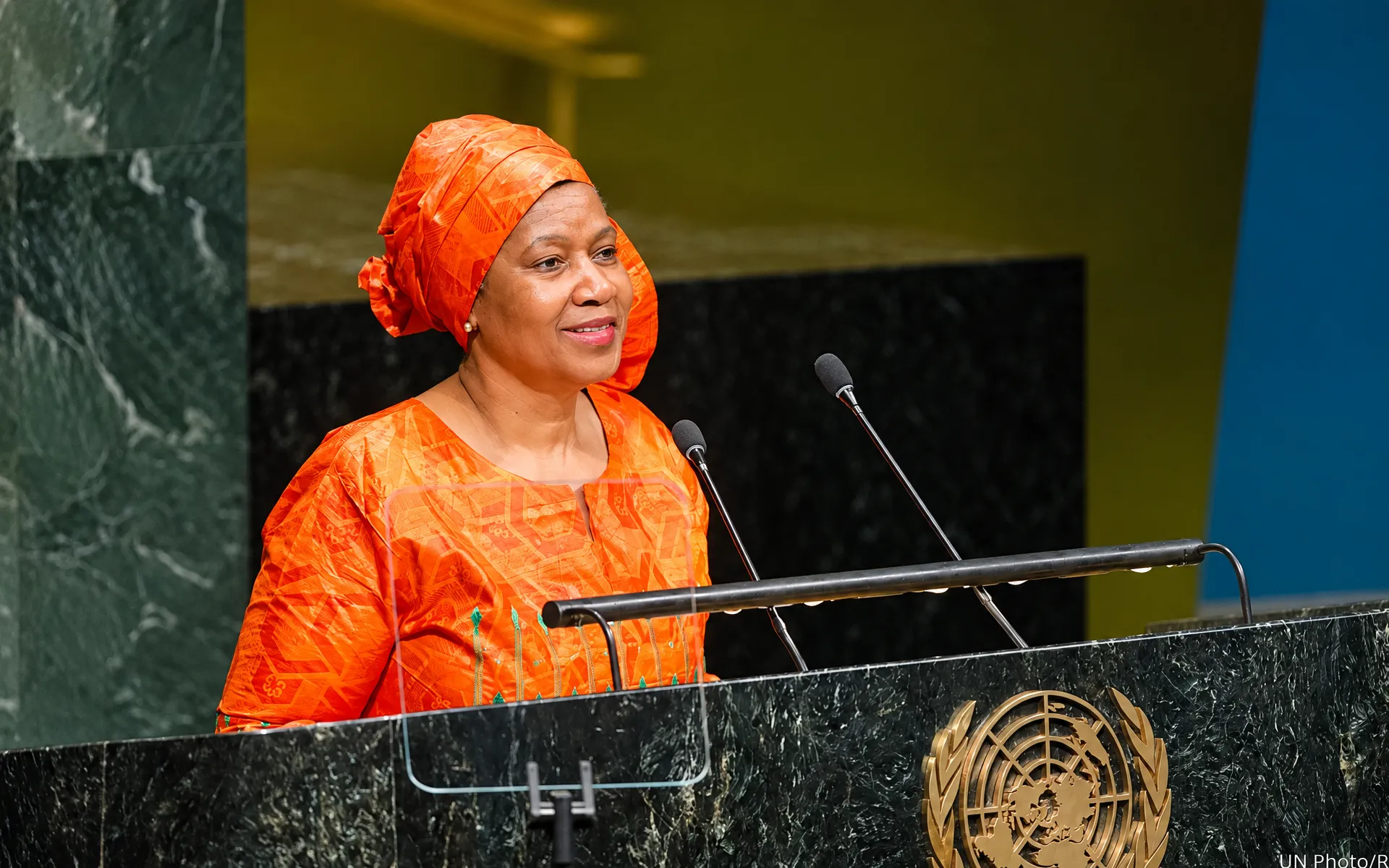
Tributes are pouring in from around the world following the death of Dr Phumzile Mlambo-Ngcuka, South Africa’s first woman Deputy President who went on to make a name for herself at the United Nations, as head of its agency for gender equality.
The announcement of her death was made by The Presidency late last night. She was 71.
From the Union Buildings in Pretoria, Luthuli House in Johannesburg and Midtown Manhattan, New York, world leaders remembered her not only for her contribution to the liberation struggle, but also as a champion of gender equality globally, who worked tirelessly to open doors for women and young girls.
President Cyril Ramaphosa, who is still in the USA leading a delegation to Silicon Valley, described Mlambo-Ngcuka as a true patriotic South African. “I received a call from our Deputy Dresident Paul Mashatile informing me that our former Deputy President, Phumzile Mlambo-Ngcuka, has passed away. I was saddened because she was a true patriotic South African,” Ramaphosa said. “She had remained committed to improving the lives of women in our country and on the African continent. She was really a leading light for the cause of women. Our hearts are sad and broken to having lost such a very dynamic women leader in our country.”
Acting President Paul Mashatile, who made the announcement, said her family had asked for privacy and was grateful for messages of support from South Africa and around the world. Mashatile said further details would be shared after consultation with the family.
Since the announcement, world leaders who have worked with her, have also started sending their condolences to her family. UN Secretary-General António Guterres remembered Mlambo-Ngcuka as a lifelong champion of the rights of women and girls. He said she believed gender equality was not a favour to be granted, but a right to be claimed.
Guterres’ deputy, Amina J. Mohammed, mourned a colleague she called “one of Africa’s finest daughters” and a friend she called “my big sissy”. Mohammed said Mlambo-Ngcuka had amplified the voices of women and girls and kept pressing for women to lead at the highest level, including by calling for the election of a woman UN Secretary-General
UN Women, which Mlambo-Ngcuka led from 2013 to 2021, described her as a fearless champion for women and girls. “She left us with a mission that we proudly carry forward,” the agency said.
Mlambo-Ngcuka was among the first public representatives to be sworn into South Africa’s first democratic Parliament in 1994. She went on to serve South Africa as Deputy Minister of Trade and Industry, and later Minister of Minerals and Energy. In 2005 she made history by becoming the South Africa’s first woman Deputy President, a post she held for three years. She resigned from her office in September 2008 after former President Thabo Mbeki stepped down. She also resigned from Parliament.
Her passion of fighting for the rights of women and girls led to her appointment by the United Nations as its under-Secretary-General and Executive Director of UN Women in 2013. She served in the role, under former UN Secretary-General Ban Ki-Moon, for eight years.
ANC Secretary-General Fikile Mbalula described her as a party stalwart who put her country first. He recalled her conviction that empowering women was a force for peace, justice, democracy and inclusive economic growth.
At the time of her death, Mlambo-Ngcuka was serving as Chancellor of the University of Johannesburg. Vice-chancellor Professor Letlhokwa Mpedi called her death “an immeasurable loss to the University and to our country”. The university promised to carry her work forward through the annual Women and Leadership lecture that bears her name, inaugurated in August this yearTop of Form