
Opinion
OPINIONS & PERSPECTIVES: Why Durban keeps winning the big events — and what the Eastern Cape can learn
By Mlungisi Ncame
9 October 2026 · 7 min read
From packed stadiums and major sporting finals to music, tourism and conferences, KwaZulu-Natal has spent years building an events economy. The Eastern Cape has many of the same ingredients — but has yet to turn its sporting, cultural and tourism assets into a coherent economic strategy.
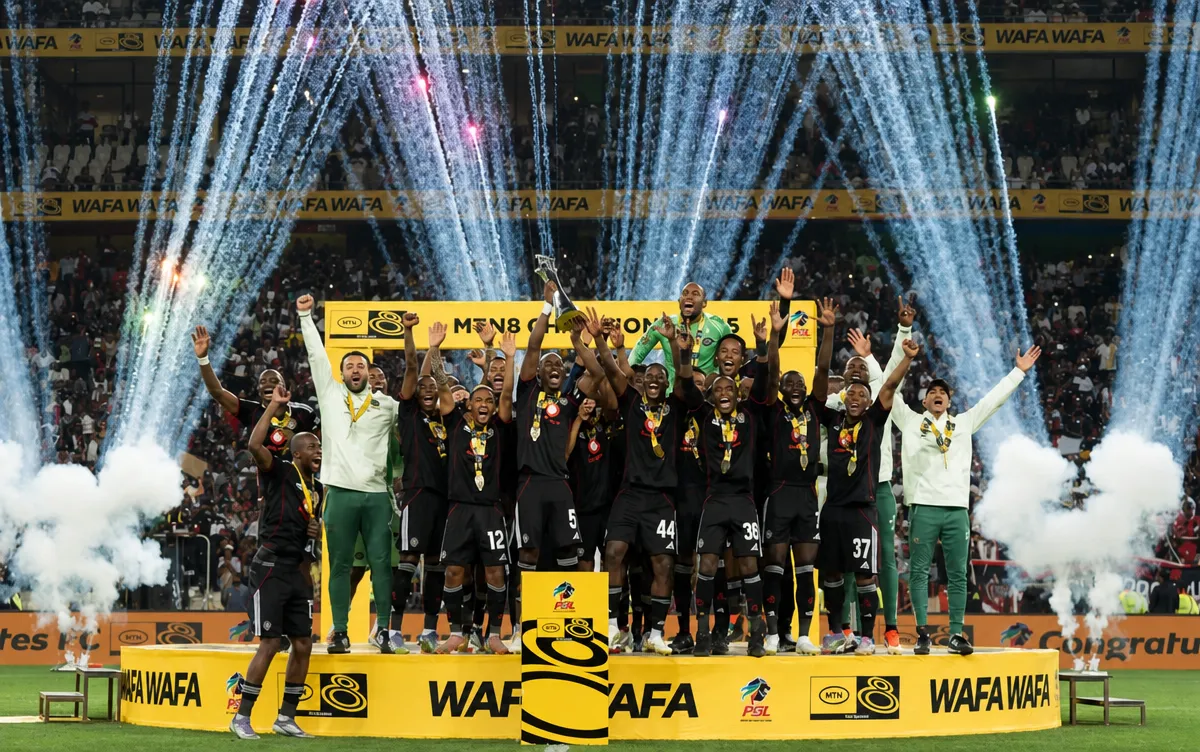
Tomorrow, Durban will host the final of the MTN8 for the 5th time in the last six years. Some have wondered why the city continues to be the preferred host of such prestigious events.
The popularity of Ethekwini with event organisers and attendees is not by accident. It is a return on the investment the leadership of the city and the KZN province made more than a decade ago into the events, sports development and conferencing industries. The tourism element was entrenched by the hugely successful FACT DURBAN Rocks tourism campaign which was made popular by DJ Tira and his peers.
Since then, KZN introduced to the world extremely popular Gqom and Deep House artists as a diversification to its already deeply rooted Maskhandi culture.
The KZN provincial government and Ethekwini Municipality are fully aligned in promoting the functions of tourism, sports arts and culture as sources of economic development.
A number of years ago I was part of an organising committee hosting of a 14 nation Cosafa tournament in the Nelson Mandela Metro. We encountered two main problems which do not seem to have been resolved to this day.
Firstly, the hosting deal included an opportunity to promote the city's tourism attractions on all the platforms of Supersport TV throughout the SADC region. Getting such a quality up to date tourism product timeously from the relevant city officials was like extracting teeth without an anaesthetic.
Secondly, we were deliberate in the intention to leave a legacy for the city by staging some of the games in townships across the Nelson Mandela Metro. However, inspections to Zwide and Dan Qeqe Stadiums, Nu2 Motherwell Stadium and Jabavu Stadium in Kwa Nobuhle showed that these venues were in such a terrible state of dereliction that even a two month lead time would not have them ready for the tournament. We settled for Wolfson and stadiums away from the township.
About three years or so ago I was again part of a delegation that met senior representatives of the Nelson Mandela Metro to discuss what it would take to bring major sporting events to the magnificent Nelson Mandela Stadium on a regular basis. We agreed that for the city to be a destination of choice, it needs to have a seamless plan that balances between hospitality packages, stadium operating costs and economic viability for event organisers, taking into account that attracting spectators from outside the city on a frequent basis contributes to a boom for accommodation establishments, restaurants, informal vendors, taxis, fuel stations and other businesses. It does not seem that the city has yet adopted what was agreed to at that meeting yet.
The Eastern Cape has talented youth in abundance but it's leadership has so far failed to nurture and provide them with resources such as recording studios, sound engineering training and equipment as well as other essentials that would help to keep them in the province and possibly develop a distinctly Eastern Cape sound like what Gqom and Maskhandi are to KZN and Lekompo music is to Limpopo.
It remains a mystery to me why the Buffalo City Municipality and EC province have so far not produced a blueprint for the development and optimisation of boxing, its biggest treasure, from grassroots to elite levels. Referring to KuGompo City as the Mecca of boxing sound hollow when it is not backed by a systematic and structured program to produce and export more world championships.
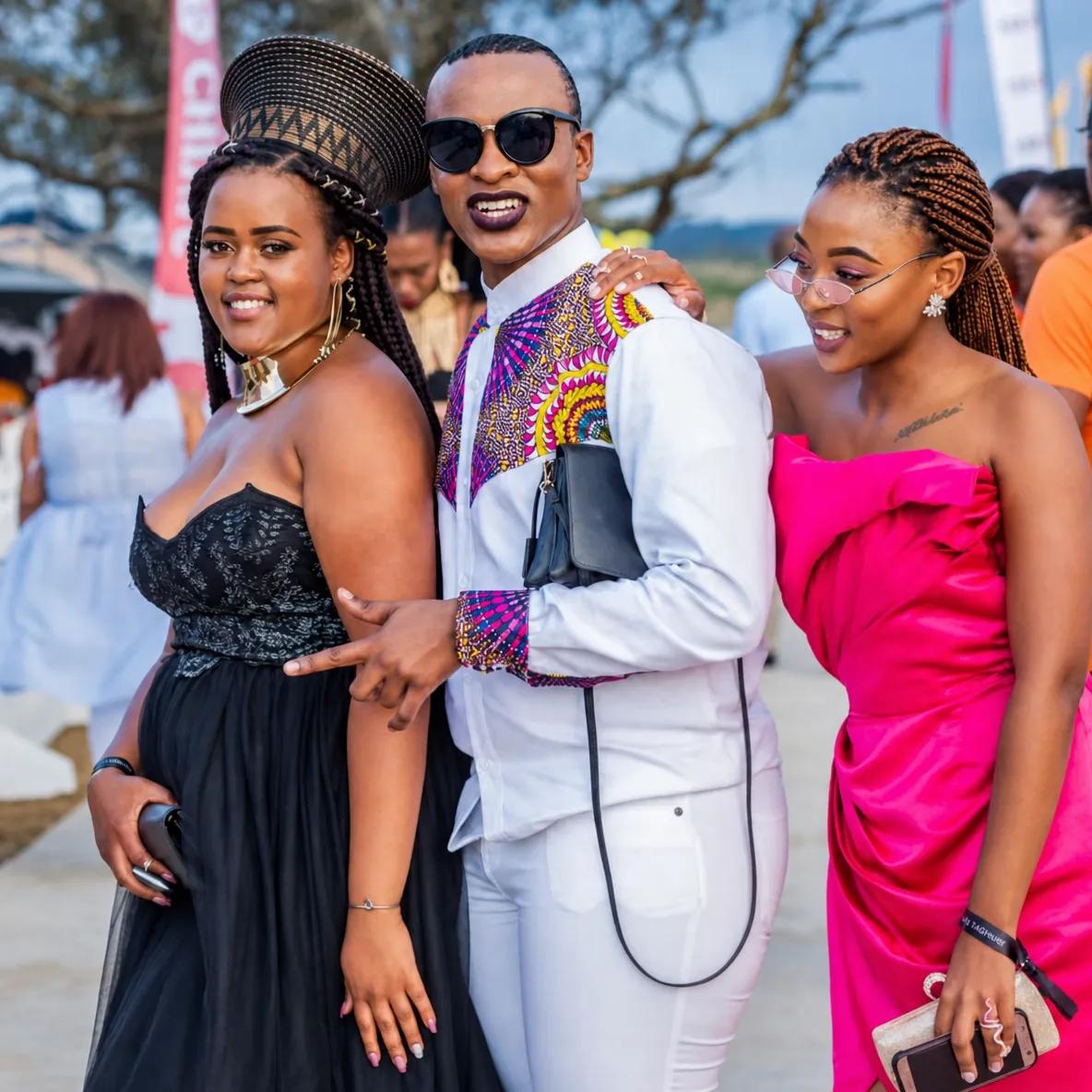
It is also inexcusable that events like the hugely popular Berlin November, Port St Johns festival and Moko Rugby tournament in Debenek, are not institutionalised and supported sufficiently through a long term plan by the municipality and the provincial government and turned into national tourism attractions, that would create more jobs and contribute to the provinces economy.
Support for these events seem to be tentative, unstructured and wholly dependent on who the MEC, HOD and Executive Mayor is at any given time. A province known as The Home of Legends can surely do better.
Also on every weekend, public holiday end especially on Mandela Day, 18 July, local and international tourists make their pilgrimage to the Mandela House and the eateries on Vilakazi Street in Soweto to take pictures, pay homage and enjoy themselves, thus contributing to that economy.
This always makes me green with envy that my home town, which is the only city in South Africa named after this great statesman, does not have any symbols and eponymous attractions where people can gather in similar fashion.
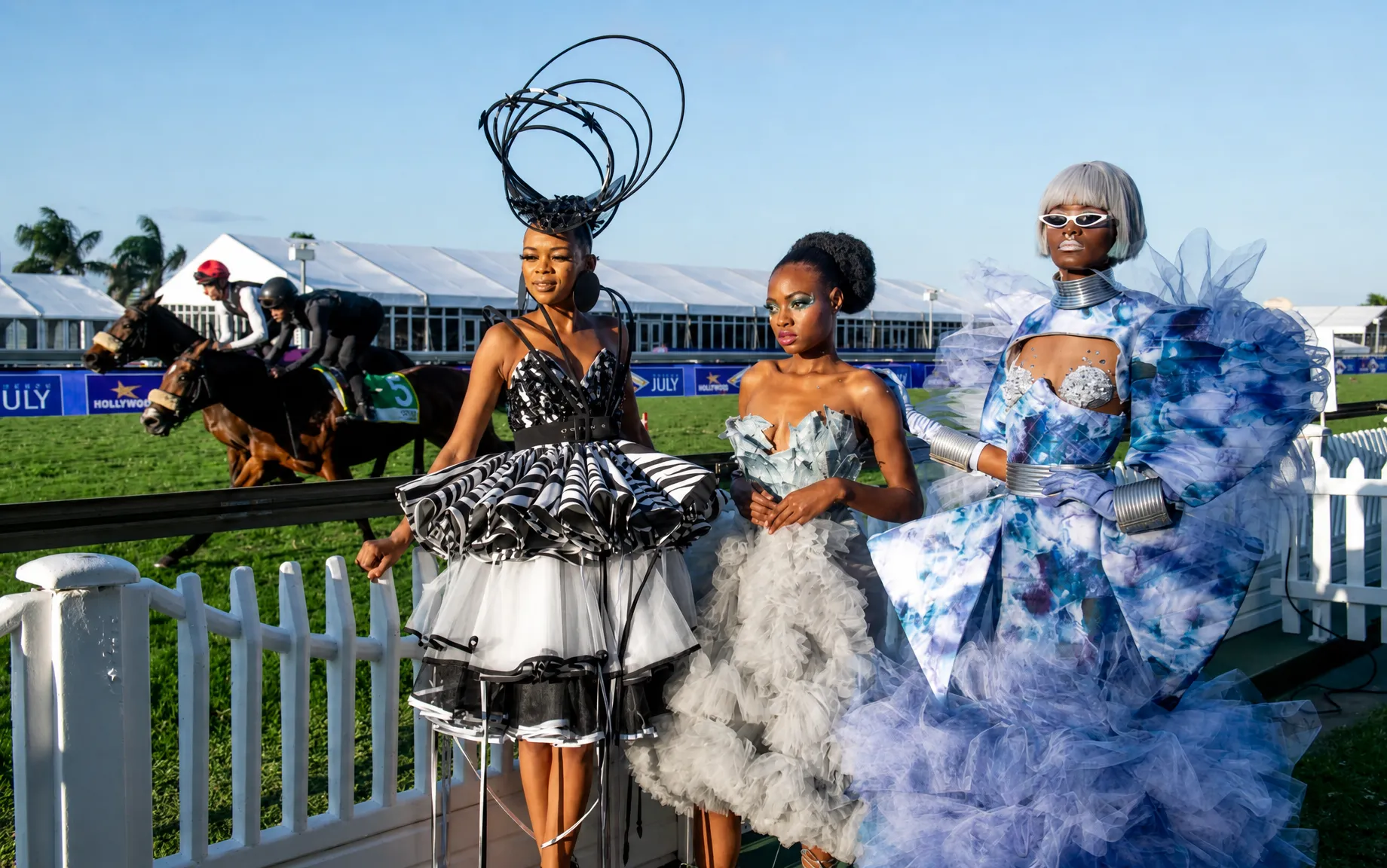
The other challenge facing the province is that while it may have relatively cheaper rates for staging events than other provinces, the limited flight schedules to Mthatha, Gqeberha and KuGompo, relatively higher fares and absence of concert production facilities combine to make hosting major events in the Eastern Cape cumbersome and not worth the effort. This is one of the reasons the province continues to miss out on hosting major local and international artists.
Event organisers would rather choose Durban and Cape Town where they are guaranteed regular flights per day for their artists, crew and equipment.
On the sporting front, Durban has seven stadiums which easily meet the standards of the PSL. These are the iconic Moses Mabhida, Kings Park right next to it, Sugar Ray Xulu in Clermont, King Zwelithini in Umlazi, Princess Magogo in Kwa Mashu and the Mpumalanga stadium in Hammersdale and Chatsworth Stadium.
It is quite telling that five of these stadiums are in the townships, well maintained and safe from vandalism. This may seem insignificant until you contrast them with Sisa Dukashe in Mdantsane, Mthatha Stadium and Wolfson Stadium in KwaZakhele, to mention just three venues which have great potential but are either neglected or not optimally utilised by their respective municipalities. One of the outcomes of having few facilities is that teams from the former Transkei region of the Eastern Cape would not have a readily available venue when they qualify for the knockout stages of the Nedbank Cup, as was the case with FC Ravens FC from Bizana who had to play their matches in KZN away from their loyal supporters in 2024.
Stadium are not just sporting arenas. They provide employment for security, maintenance and cleaning staff as well as opportunities for vendors to trade on event days. The leadership of KZN understand this strategic value of these assets very well. They apply the same principles in maintaining the PSL accredited Harry Gwala Stadium in Umgungundlovu and and Umhlathuze Stadium in Richards Bay.
The other direct return on investment in sports facilities is that KZN province has six teams in the National Soccer League, with five of them in the elite Premier Division and Midlands Wanderers FC in the Motsepe Foundation Championship.
My home province is also losing out on the highly lucrative conference industry. The 2000 capacity Convention Centre in KuGompo and Boardwalk Convention Centre in Gqeberha are simply too small to host major national and international conferences and are dwarfed by their main competitors in Cape Town, Johannesburg and Durban. It also appears that lobbying for these venues to host conferences is left to their management rather than being part of a deliberate and sustained destination marketing plan by the leadership of the province and respective cities.
South African Tourism has cited estimates valuing South Africa's major events, conferencing and sports industry at approximately
R121.8 billion in 2023, with significant growth projected towards 2032. The Eastern Cape needs to vigorously claim a stake of this windfall.
It has long been accepted that young people will always migrate to other provinces because the Eastern Cape does not have the requisite natural resources and employment opportunities that will help to retain them. This phenomenon can however be mitigated if the sports and events industries are positioned correctly as catalysts of economic development. The KZN and Gauteng based deep house and Amapiano DJs who perform at Ibiza and other grand venues on the world stage did not become successful overnight. They performed at clubs and events in their home cities first. More events therefore means more young people in the province get to refine their skills and make it big
This prerogative becomes more pronounced when one considers that the with ongoing retrenchments, reduction in production and stiff competition from Asian vehicle manufacturers, two metros can no longer rely on the auto production and components sector as the main pillars of the economy.
Diversification means we should cast the bucket where we are and be strategic in our interventions.
I hope the incoming leadership of our municipalities will take these factors into account.
You may also like
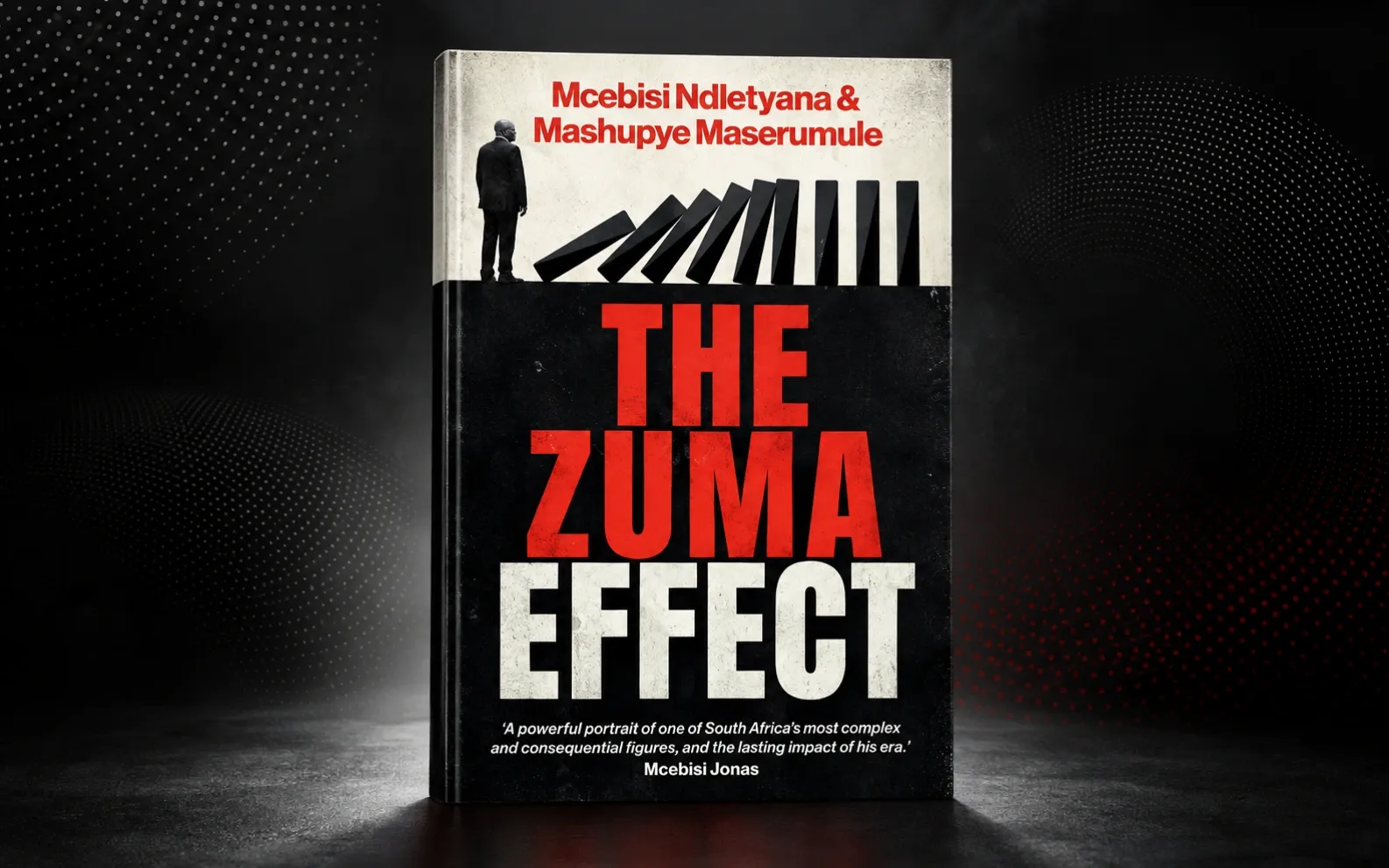
BOOK REVIEW: The Zuma Effect Asks Us To Look In The Mirror
 Mnoza ka Melane · 3d ago · 3 min read

OPINIONS & PERSPECTIVES: Farm Murders, White Genocide And The Burden Of Evidence
Andile Nduna · 6d ago · 7 min read
OPINIONS & PERSPECTIVES: The Courage Of Champions Is The Spirit South Africa Needs
Lyndon Barends · 6d ago · 2 min read