Fresh Plans To Revive National Shipping Line As African Nations Ramp Up Fleet, Port Investments
By Seth Onyango
1 September 2026 · 5 min read
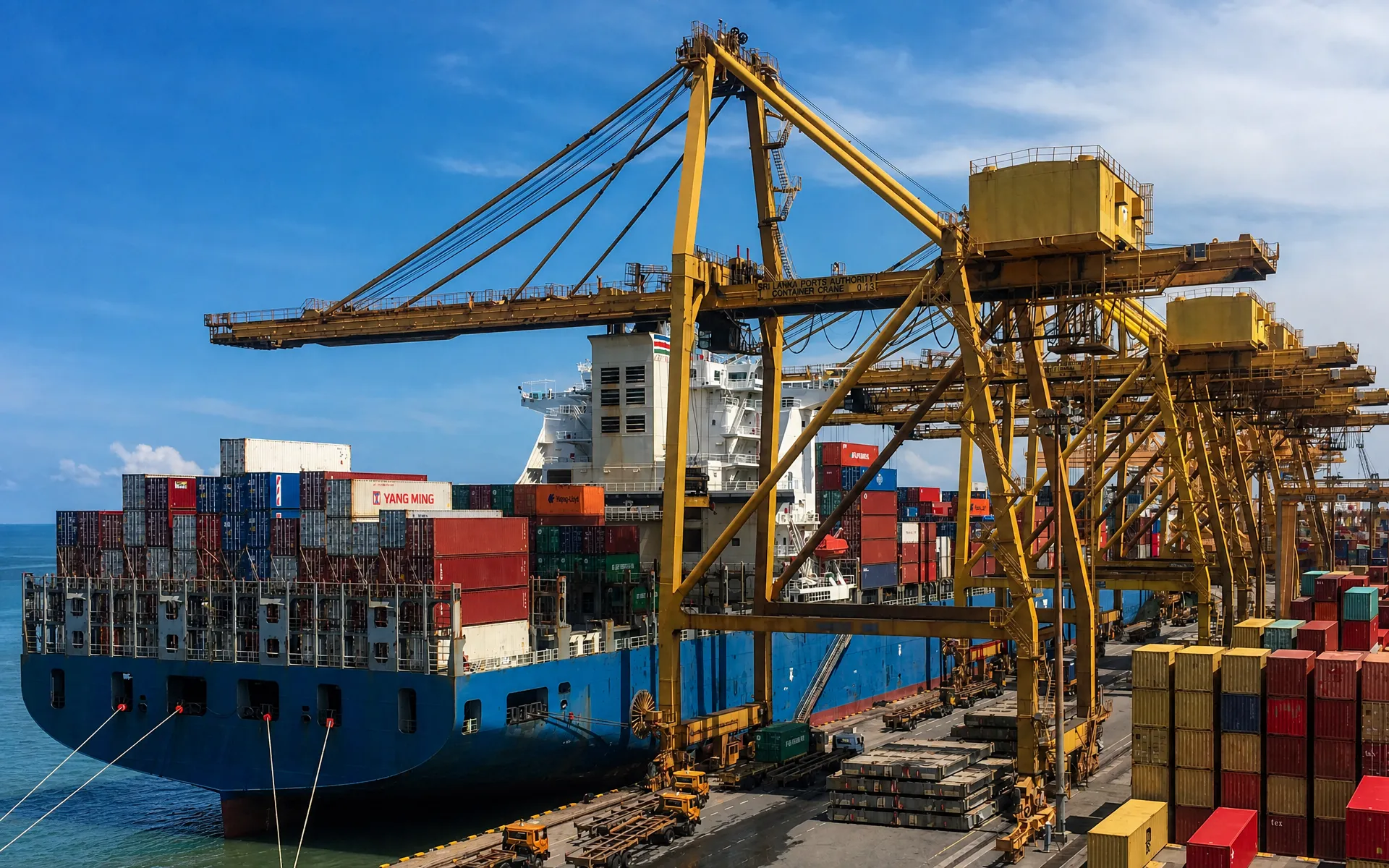
South Africa’s planned national shipping line, Sasco, aims to reclaim maritime glory for the Rainbow Nation after a 25-year hiatus, joining Nigeria’s 291-vessel fleet and Liberia’s 378.3m-ton registry
South Africa is reviving plans to establish a national shipping line, joining a growing list of African states investing in ports and maritime logistics to capture more value from global commerce.
The carrier, dubbed South African Shipping Company (Sasco), if realized, would be the country’s first state-owned carrier in more than 25 years, following the sale of its predecessor, Safmarine.
Safmarine, founded in 1946, served as South Africa’s flagship commercial shipping company until its acquisition by Denmark’s Maersk in 1999.
South Africa’s Department of Transport will front Sasco as a vessel-owning and chartering enterprise with a long-term mandate to serve national and intra-African trade corridors.
The company will begin by leasing ships before considering future asset ownership, according to people close to the project.
It will work alongside existing logistics firms and port operators to re-anchor the country’s role in the region’s shipping chain.
The push for national carriers comes as African nations pour billions into port expansions and logistics networks, driven by the African Continental Free Trade Area (AfCFTA) and rising demand for intra-African trade.
Nigeria, the continent’s largest ship-owning country, has been expanding its fleet, while Liberia remains a dominant force in global shipping registries.
Figures from the United Nations trade agency UNCTAD rank Nigeria 33rd in the global fleet, with 291 vessels totaling 7.94 million deadweight tons, making it Africa’s largest ship-owning nation.
Liberia, meanwhile, has become the continent’s most prominent player in ship registration, surpassing Panama in 2022 as the world’s largest flag state by tonnage.
Liberia’s fleet grew 12.7% between 2022 and 2023, reaching 378.3 million deadweight tons, with 4,821 vessels under its flag.
Nigeria, thus, has a larger nationally owned fleet, while Liberia has a much bigger registered fleet due to its open registry that attracts foreign-owned vessels.
By value, however, Liberia has claimed 11.78% of the world’s registered fleet, second only to Panama’s 12.86%.
But its growth comes with environmental concerns. Liberia, Panama, and the Marshall Islands accounted for over a third of global shipping emissions in 2022, with Liberia-flagged vessels leading in CO₂ output among flag states.