
KSD Chases Councillors And Staff Over Unpaid Municipal Bills

By Bhongo Jacob
21 September 2026 · 3 min read
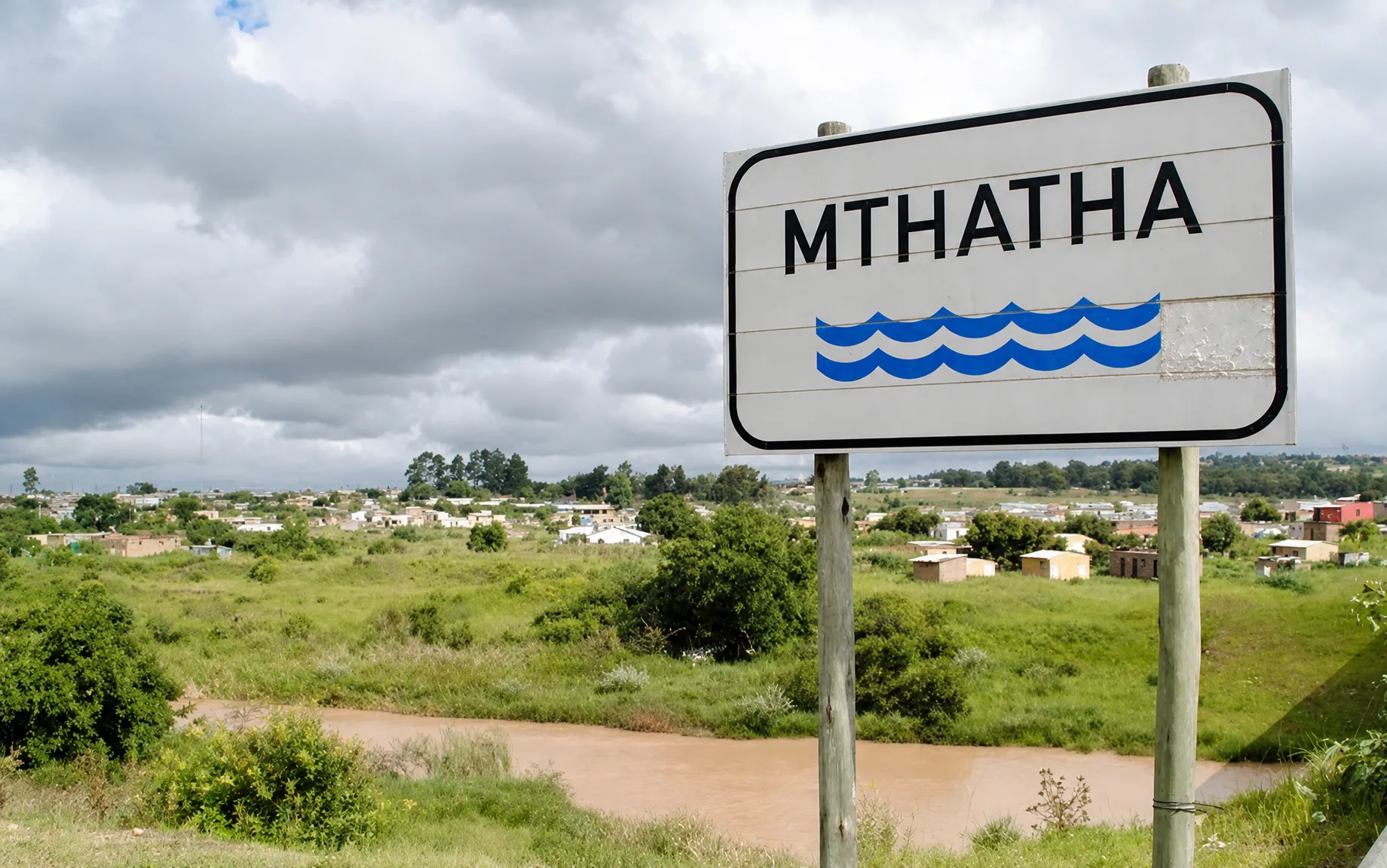
The Mthatha-based council has turned debt collectors on its defaulting councillors as 60 employees owe R1.8m amid R1bn debt crisis.
King Sabata Dalindyebo municipality is chasing its own councillors, senior officials and 60 of its employees for unpaid rates and services amounting to millions of rands.
This after the municipality said some employees have failed to honour payment arrangements, while councillors with overdue accounts have been handed over for debt collection as the municipality steps up efforts to recover money owed to it.
The employees alone owe the council R1.8m. This is just the tip of the iceberg as the King Sabata Dalindyebo Municipality, comprising Mthatha, Mqanduli and surrounding rural areas, was owed a total of R1.084 billion at the end of June. This includes R715.86 million by households, R204.6 million by businesses and R163.9 million by government. More than R604 million of the debt is outstanding for longer than 90 days.
The details are contained in the municipality’s quarterly report for the period ending in June, which reveals the extent of unpaid municipal accounts among KSD’s own workforce and political leadership.
A quarterly council report is required by section 52(d) of the Municipal Finance Management Act to be tabled in council within 30 days after the end of each quarter. It is unclear if this was discussed at the July council meeting as questions sent to the municipality last Wednesday had not been answered at the time of publishing.
The report names all 60 employees who owe the municipality and records the amounts outstanding against each of them. Their accounts have been referred to legal services and the disciplinary committee for further action.
Employees who remain more than three months behind on their municipal accounts are in breach of section 96 of the Municipal Systems Act and may face salary deductions if they do not settle their debts.
Section 96 states that: “a municipality— (a) must collect all money that is due and payable to it, subject to this Act and any other applicable legislation; and 35 (b) for this purpose, must adopt, maintain and implement a credit control and debt collection policy which is consistent with its rates and complies with the provisions of this Act.”
The report shows the municipality has already stepped up collection efforts to rein in its wayward personnel. Notices were sent to offending workers to make payment arrangements, while other measures recorded in the report include stop orders, acknowledgement of debt letters and referrals to legal services.
The municipality acknowledges that the number of staff debtors has dropped from 100 in the previous quarter to 60, while the amount owed has decreased from R2 million to R 1.8 million.
Of those still in arrears, twenty-six workers are paying through monthly stop orders, five are paying without stop orders, another twenty-eight are to receive acknowledgement of debt letters, while one worker already skipped a payment after receiving a notice to settle.
The report also records weaker revenue performance during the period, including shortfalls in the collection of electricity sales, refuse removal and property rates.
The recovery drive is likely to draw attention in a municipality that expects residents to keep their payments up to date while its own senior management, members of council and staff members are not fulfilling their obligations.
The report also states that the outstanding debt of some of the councillors were handed over for debt collection and action, while an outstanding balance was submitted to the disciplinary committee for consequence management and possible recovery.
Unresolved staff housing
The municipality is also dealing with unresolved issues involving staff houses. Employees covered by council resolutions dating back to 2005 and 2006 were supposed to purchase certain properties, but the process remains incomplete while the Surveyor-General completes the surveying and issues individual erven. Employees are required to pay an amount equivalent to rent pending the sale.
The financial pressures facing KSD have also previously been linked to an alleged electricity revenue scam. According to a previous report in April, KSD lost an estimated R132 million in revenue since early 2025 through a suspected “ghost vendor” electricity scheme. The alleged scheme involved unauthorised vendors selling prepaid electricity coupons, but the money allegedly never reached the revenue collection department.
The reported losses were said to have compounded the municipality’s financial difficulties amid vandalism and damage to electricity infrastructure.
This article will be updated with the council’s response as soon as Mampoza responds to questions sent to him last week.
You may also like

Growing Public Outcry Forces City To Fix The Aquarium
Asemahle Mfombi · 3d ago · 3 min read

From Boardroom To City Hall: Dlevu Sets Sights On Buffalo City
The Coastal Reporter · 3d ago · 6 min read

Kwankwa: Fix Local Government First If You Want South Africa To Grow
Johnnie Isaac · 4d ago · 5 min read