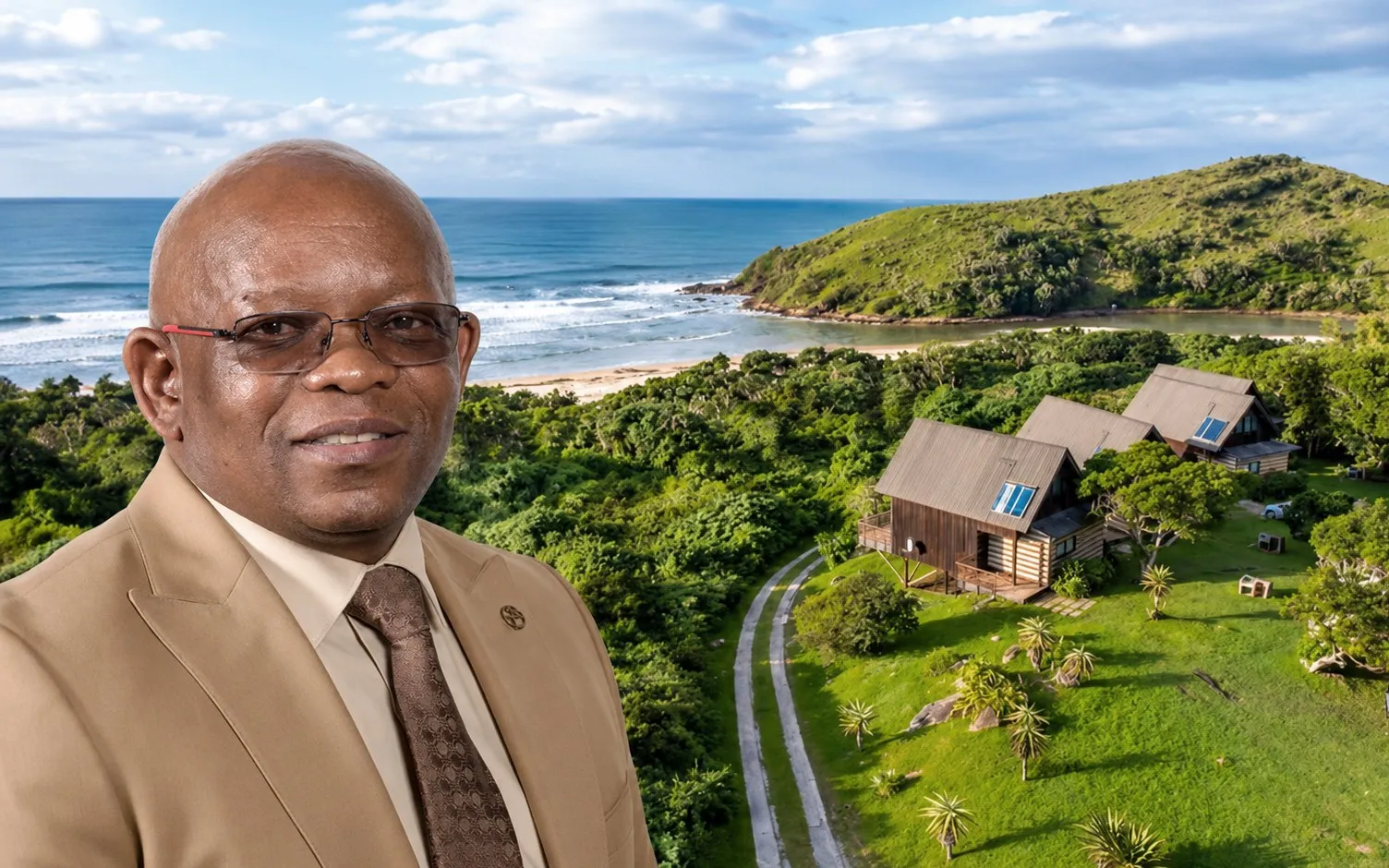
Betusile Mcinga Built This. Now It’s Time For The Eastern Cape To Show Up For Him
By Asemahle Mfombi
11 September 2026 · 3 min read

Festival founder says the seven-year-old event is helping local artists, promoting tourism and bringing communities together through faith-based music.
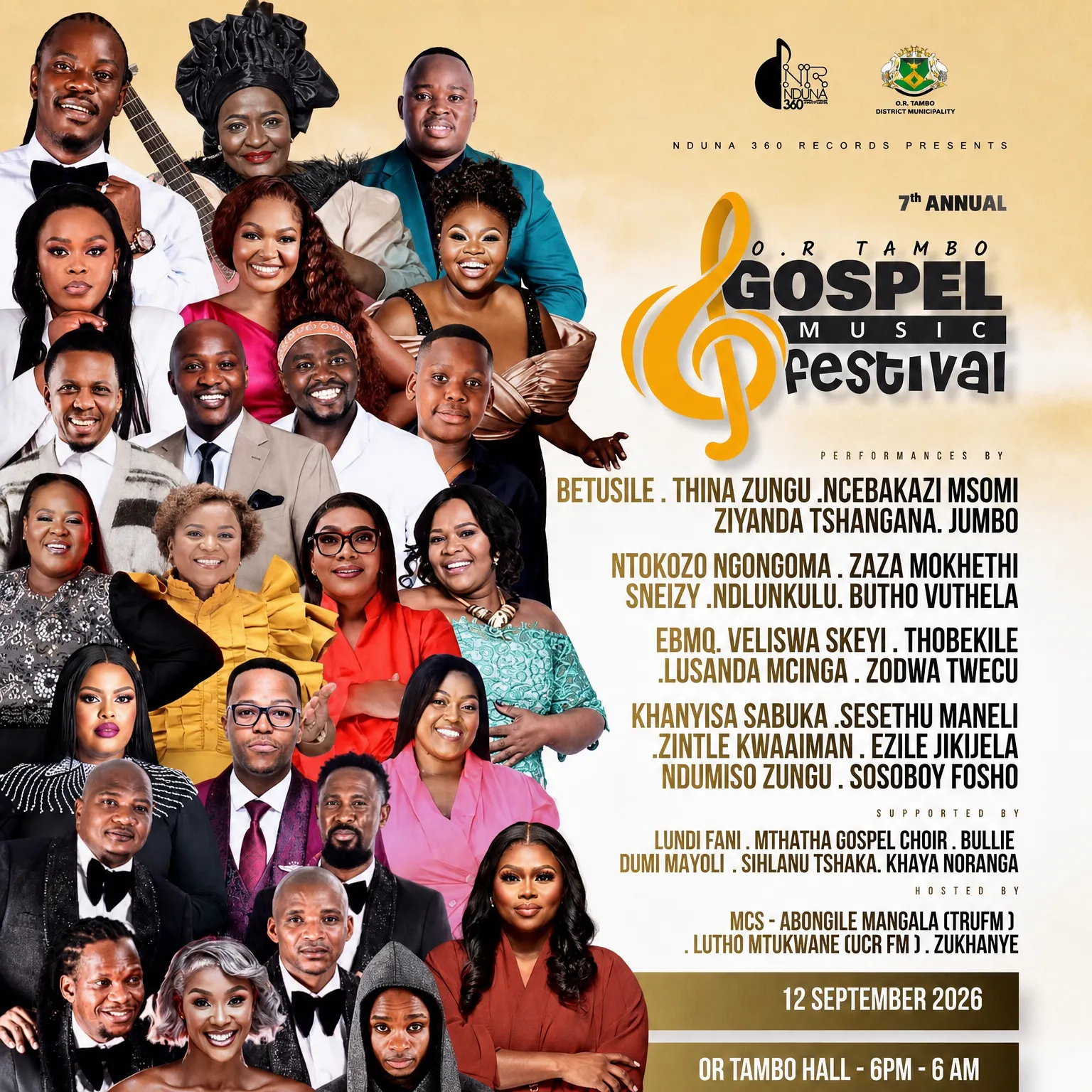
The O.R. Tambo Gospel Music Festival is positioning itself as more than an all-night celebration of gospel, with organisers saying the seven-year-old event has become a platform for local artists, community prayer, tourism and economic activity in the Eastern Cape.
The festival, which takes place at O.R. Tambo Hall in Mthatha tomorrow (September 12), was born from discussions about how local artists could improve their performances and gain greater visibility. According to festival founder Betusile Mcinga, the organisers wanted to create a stage where emerging musicians could showcase their talents alongside artists they look up to.
“We sat down and discussed how we can help our local artists to improve their performances and visibility and decided to start this Festival to create a stage for local artists to showcase and share their talents with their role models,” Mcinga said.
The decision to make the festival an all-night event was deliberate. Mcinga said the long format allows audiences to move beyond entertainment into a night of singing, worship and prayer focused on social challenges affecting communities.
Over the past seven years, the festival has expanded its reach, hosting international performers and established names in the gospel industry while also using the platform to develop upcoming artists. Mcinga said reaching the seventh edition is a significant achievement given the difficulties faced by gospel events when seeking corporate support.
“Doing a Gospel Festival is not easy because most companies do not value gospel as a musical genre as it linked to religion, so they refuse to support it,” he said, arguing that gospel musicians are musicians who use faith-based music to promote social cohesion and challenge injustices.
Despite those challenges, the festival has continued to grow and has attracted partnerships with institutions and businesses including the O.R. Tambo District Municipality, Toyota and Khwalo Funerals, among others.
For Mcinga, the festival’s impact can also be measured outside the stage. He said visitors travelling to Mthatha from different parts of the country contribute to the hospitality and service sectors by booking accommodation, visiting restaurants and salons and spending money in the local economy.
The event itself also creates temporary employment opportunities. Mcinga said more than 30 people are hired around the festival as security guards, marshals, waitresses and ushers, while food vendors outside the venue benefit from the crowds.
“It’s a whole value chain benefitting everyone,” Mcinga said, highlighting the festival’s potential to contribute to Eastern Cape tourism while creating opportunities for people around the event.
Beyond the economic benefits, the organisers see gospel music as a tool for bringing people together and offering hope. Mcinga said the September gathering is intended to be a night of prayer and worship, with audiences encouraged to attend with expectations of healing, breakthroughs and blessings.
As the festival enters its seventh year, the organisers are already looking further ahead. Mcinga said the five-year ambition is for the event to become one of the country’s signature festivals, attracting people from different backgrounds while creating a lasting legacy for the region.
He also wants the festival to have a tangible impact on local artists by opening doors that can change their careers and give them a platform to build audiences and learn from established performers.
For the Eastern Cape, the festival represents a convergence of culture, faith, music and local enterprise. Its continued growth will ultimately depend on whether organisers can maintain partnerships, attract wider support and turn its growing audience into a sustainable opportunity for artists and businesses.
But for Mcinga, the immediate priority remains the power of the gathering itself: bringing people together through music, prayer and hope while giving local talent a stage on which to be seen and heard.