Opinion
OPINIONS & PERSPECTIVES: Maqoma, The Man History Tried, But Failed, To Bury
By VUYO FANI & UNATHI KONDILE
13 September 2026 · 4 min read
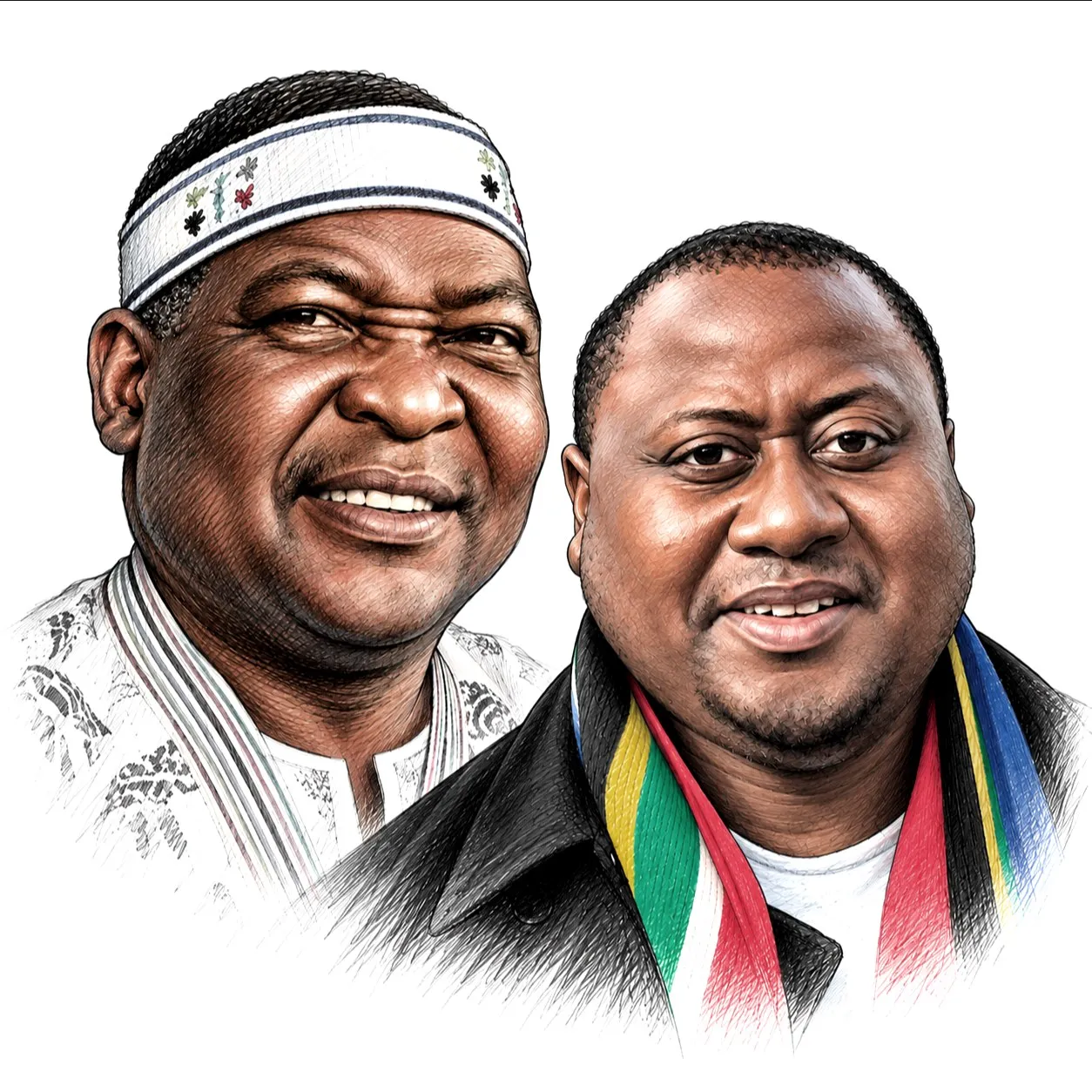
153 years after his death, a newspaperman and a cultural heritage advocate, argue that remembering this Xhosa warrior is more than simply honouring a hero — it is about restoring a missing chapter of our history and the completeness of our story.
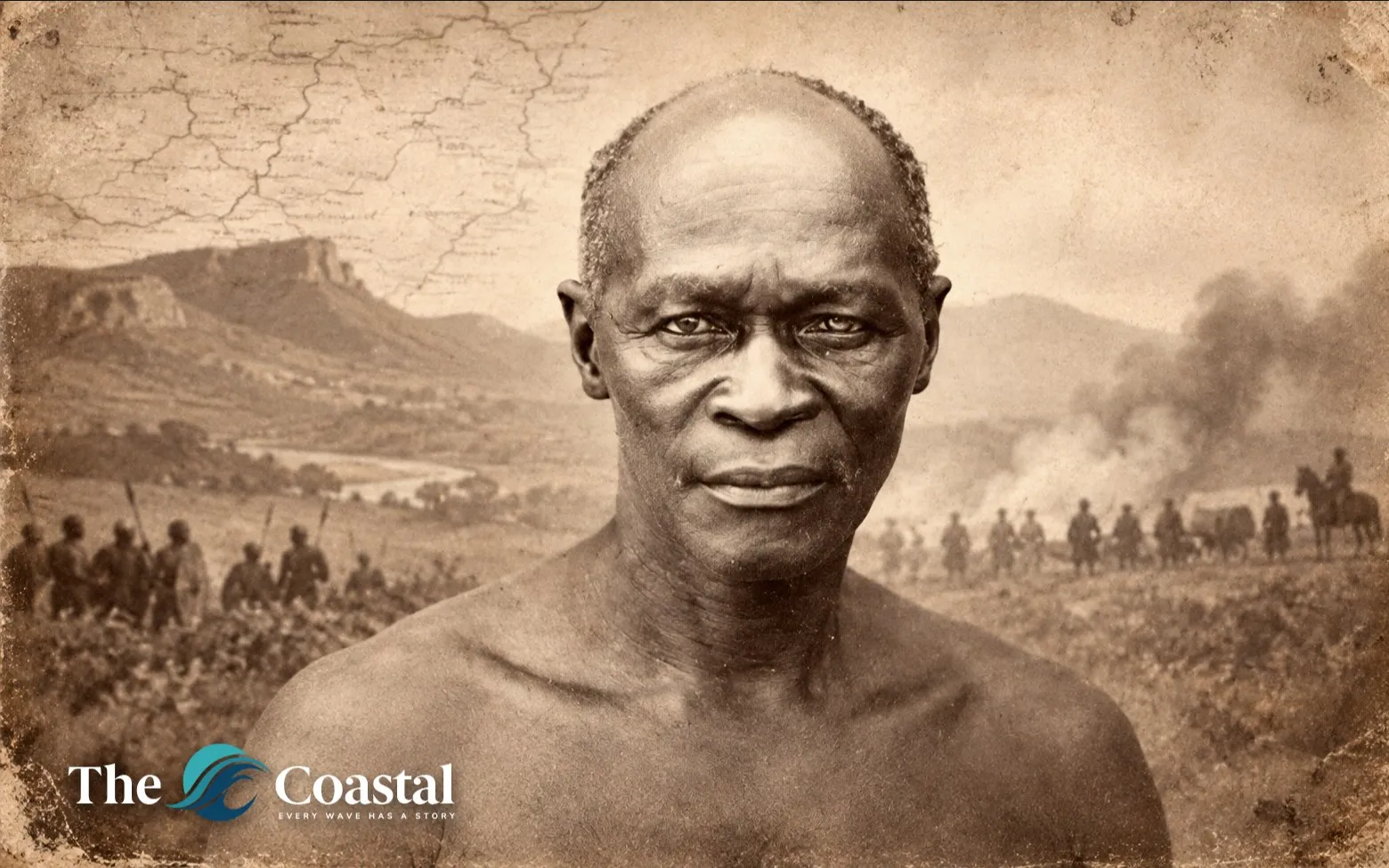
“Maqoma had outgeneralled the first division at every turn” and remained the “proud master of the field”. The above words appeared in the Eastern Province News, now known as The Herald, during the Eighth Frontier War. They were not written to celebrate Nkosi Jongumsobomvu Maqoma. If anything, they were an expression of frustration at a fierce military opponent, who had repeatedly outsmarted the British forces.
It is also an account of our history that colonial South Africa often struggled to admit: Maqoma was not simply a chief who resisted colonial expansion. He was a formidable military strategist who repeatedly outmanoeuvred one of the world's most powerful imperial armies.
Maqoma died on 9 September 1873, providing us with an opportunity to remember him this Heritage Month.
Born in 1798 at Xukwana (a village in Middledrift, roughly about 30km from Qonce) in the Eastern Cape, Maqoma was the eldest son of King Ngqika. From an early age he was exposed to matters of state, accompanying his father to meetings with councillors and visiting officials. His education in leadership was not confined to a classroom. It was learned in the political and military realities of a kingdom, then increasingly threatened by colonial expansion.
His first major military test came during the Battle of Amalinda in 1818. Still a young man, Maqoma commanded experienced warriors and distinguished himself in battle. Reverend Tiyo Soga’s son, John Henderson Soga, who was a Scottish-educated historian wrote about that 1818 battle and concluded that “it was here that Maqoma distinguished himself”.
Soga's account described the young commander leading his warriors into the heart of the battle and still rising to the challenge after being wounded. The battles that followed were not simply military contests. They were struggles over land.
After colonial forces took large tracts of King Ngqika's (Jongumsobomvu Maqoma’s father) territory between the Fish and Keiskamma rivers, Maqoma made the defence and recovery of that land central to his life's work. During the Frontier Wars, he developed a highly effective form of warfare in the Amathole mountains, using the rugged terrain to frustrate an enemy that was much better equipped militarily.
Dr Jongi Klaas has written about this history. So has Pastor Themba Ngada, Noel Mostert as well as Timothy J. Stapleton, whose latest book on Maqoma was published in 2016 by Amava Heritage.
The British eventually prevailed against the ‘brute’ and ‘savage’ Maqoma, as colonial history preferred to describe its most formidable opponent. Xhosa praise poets such as Mqhayi and Rubusana remembered Maqoma differently. Not as the ‘savage’ of colonial accounts, but as a warrior of almost mythical stature.