
Opinion
OPINIONS & PERSPECTIVES: Why The Eastern Cape Must Learn To See Itself And Its Beauty Yet Again
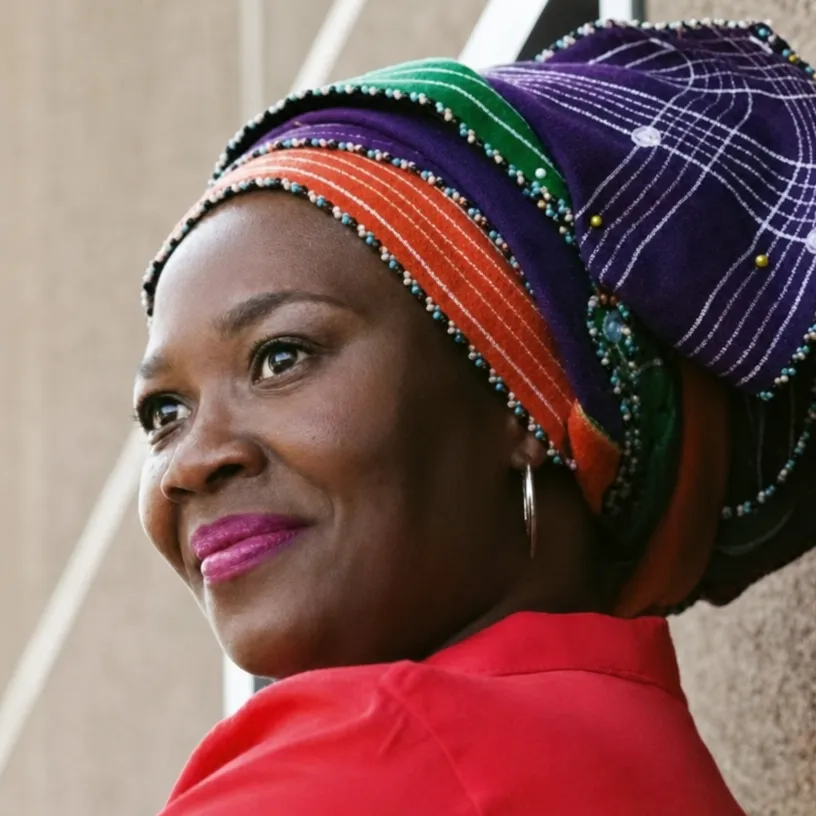
By Pumla Ngesi
12 September 2026 · 3 min read
The Eastern Cape does not lack assets or opportunity. What it lacks is an intergrated plan to connect its tourism economy to its people, places and possibilities — one that ensures communities share in the value.
Recently, I visited Ncera Village 6, a rural community not far from KuGompo City (formerly East London) . Not long afterwards, I attended the opening of Eastern Cape Tourism Month. Two very different experiences, yet somehow they connected in my mind.
In Ncera, I saw a community, land, people, possibility and the quiet dignity of village life. At the EC Tourism Month launch I was reminded of the extraordinary beauty of our province — our coastline, our beaches, our rivers, our villages, our culture and the landscapes that people travel across the world to experience.
Somewhere between those two moments, something shifted for me. I found myself asking: Do we fully understand what we have in the Eastern Cape? We speak so often about what is wrong with our province — unemployment, poor infrastructure, struggling municipalities, poverty and young people leaving in search of opportunity. These realities cannot and should not be ignored. However, perhaps one of the greatest injustices we have done to the Eastern Cape is that we have allowed its problems to become louder than its possibilities.
Our coastline is not merely scenery. It is an economic corridor, a tourism asset, a food economy, a cultural asset, a place of stories, heritage, entrepreneurship and possibility. From the villages surrounding KuGompo City, to the Wild Coast and further north, there are communities sitting next to extraordinary natural wealth. This while many of the people who live there remain economically excluded from it.
It worries me greatly that that contradiction does not seem to bother us. Is it not time for us to start thinking differently about development?
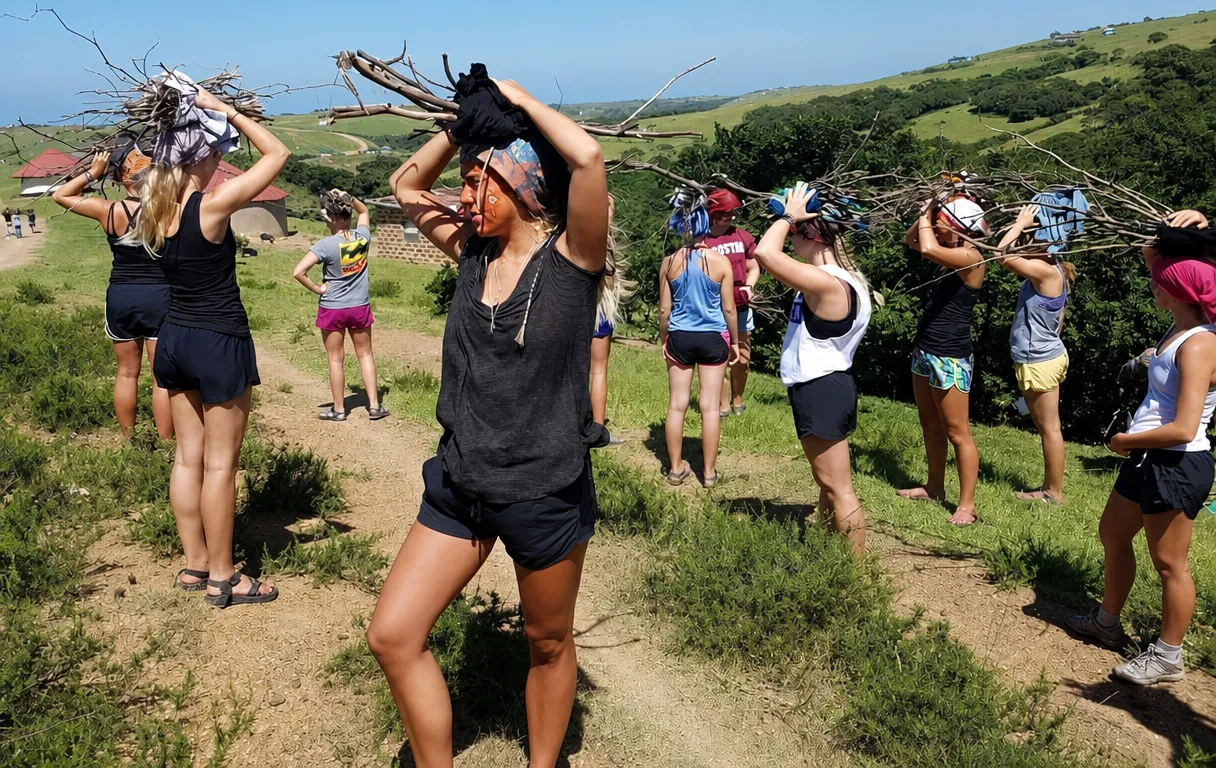
What if a young person in Ncera did not have to leave the Eastern Cape in order to participate in the global economy? What if a local woman producing food, crafts or traditional products could sell beyond her village? What if our Bed & Breakfasts, homestays, restaurants, cultural experiences, farms and community tourism projects were connected into one visible Eastern Cape story?
What if travelling through our province became more than moving from one tourist attraction to another, but an opportunity to encounter our people, our food, our history and our communities?
As I pondered on these questions while listening to the speeches at the Toursim Month Launch, a thought hit me, and I am still stuck with it: "From the Eastern Cape to the World". For me this is not simply about attracting more tourists, because tourism must translate into livelihoods.
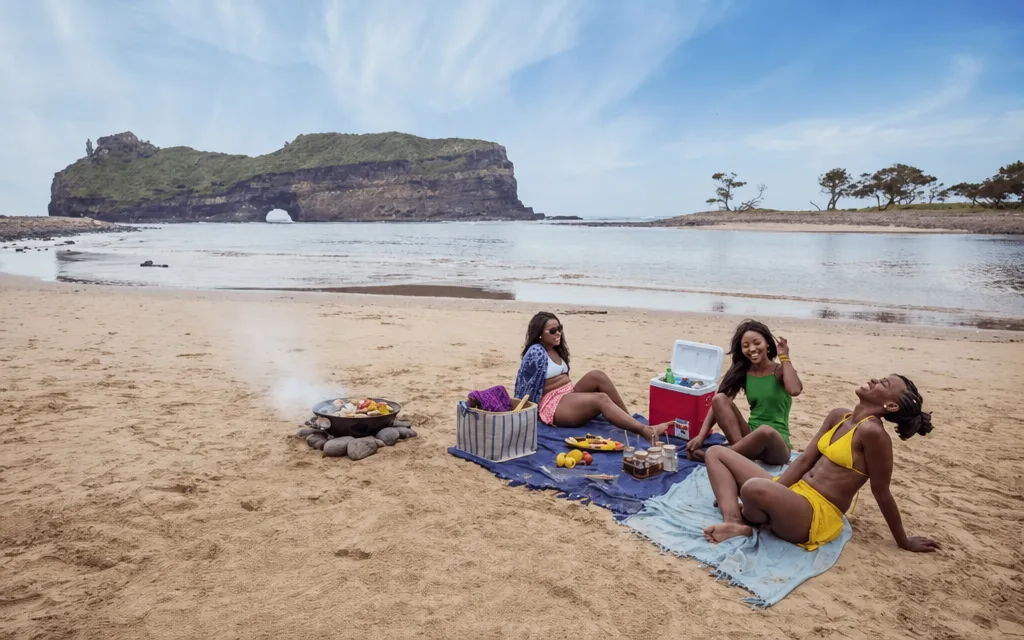
A beautiful beach means very little to the surrounding community if the people living beside it remain unemployed. A thriving resort cannot be the only sign of development while the neighbouring village remains disconnected from opportunity.
The real measure of tourism development should be how much value remains within the communities that host it. There should be enough room in this economy for all of us — from that young photographer, tour guide, storyteller, fisherman, farmer, caterer and the craft producer, to the transport operator, guesthouse owner and that digital entrepreneur. Even our stokvel culture could become part of the tourism economy.
Imagine travelling stokvels through which ordinary Eastern Cape families deliberately explore their own province. Imagine schools, book clubs, churches, professional networks and community groups choosing local destinations and circulating money within local economies.
Sometimes economic development does not begin with a billion-rand investment. It actually begins when we deliberately connect what we already have.
My visit to Ncera reminded me that rural communities should never be viewed only through the language of need. A village is not merely a place waiting for government intervention. Villages contain land, skills, relationships, indigenous knowledge, heritage, culture and human capital.
Development begins when we stop asking only, “What does this community lack?” but sometimew when we begin to ask, “What does this community already have that can be developed, connected and brought to market?”
The Eastern Cape has given South Africa leaders, thinkers, artists, professionals and history-makers. It has also given us one of the most beautiful coastlines in the country. Perhaps the next chapter then is not simply about telling the world to come and see the Eastern Cape, but ensuring that when the world comes, the people of the Eastern Cape are not standing on the sidelines watching opportunity pass them by.
Our coastline should become a bridge between our villages and the world. That being said, perhaps before the rest of the world discovers what we have, we who live here must learn to see it again.
You may also like
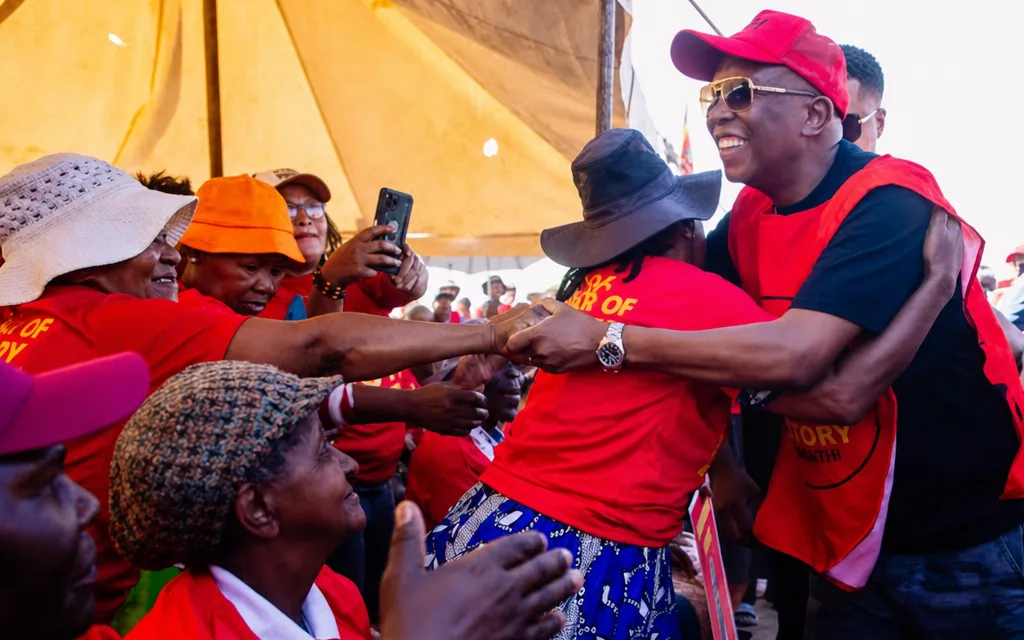
Malema Returns To KuGompo City To Rally EFF Support Ahead Of Local Polls
Asemahle Mfombi · 20 Oct · 1 min read
OPINIONS & PERSPECTIVES: What If Science And Our Ancestors Are Speaking Of The Same Mystery?
 Sizwe Kupelo · 10 Oct · 3 min read

OPINIONS & PERSPECTIVES: Has The Eastern Cape Become Too Accustomed To Municipal Failure?
Andile Nduna · 10 Oct · 9 min read