
Opinion
OPINIONS & PERSPECTIVES: Remembering Stephen Bantu Biko Is A Struggle Against Amnesia
By Mlungisi Ncame
12 September 2026 · 4 min read
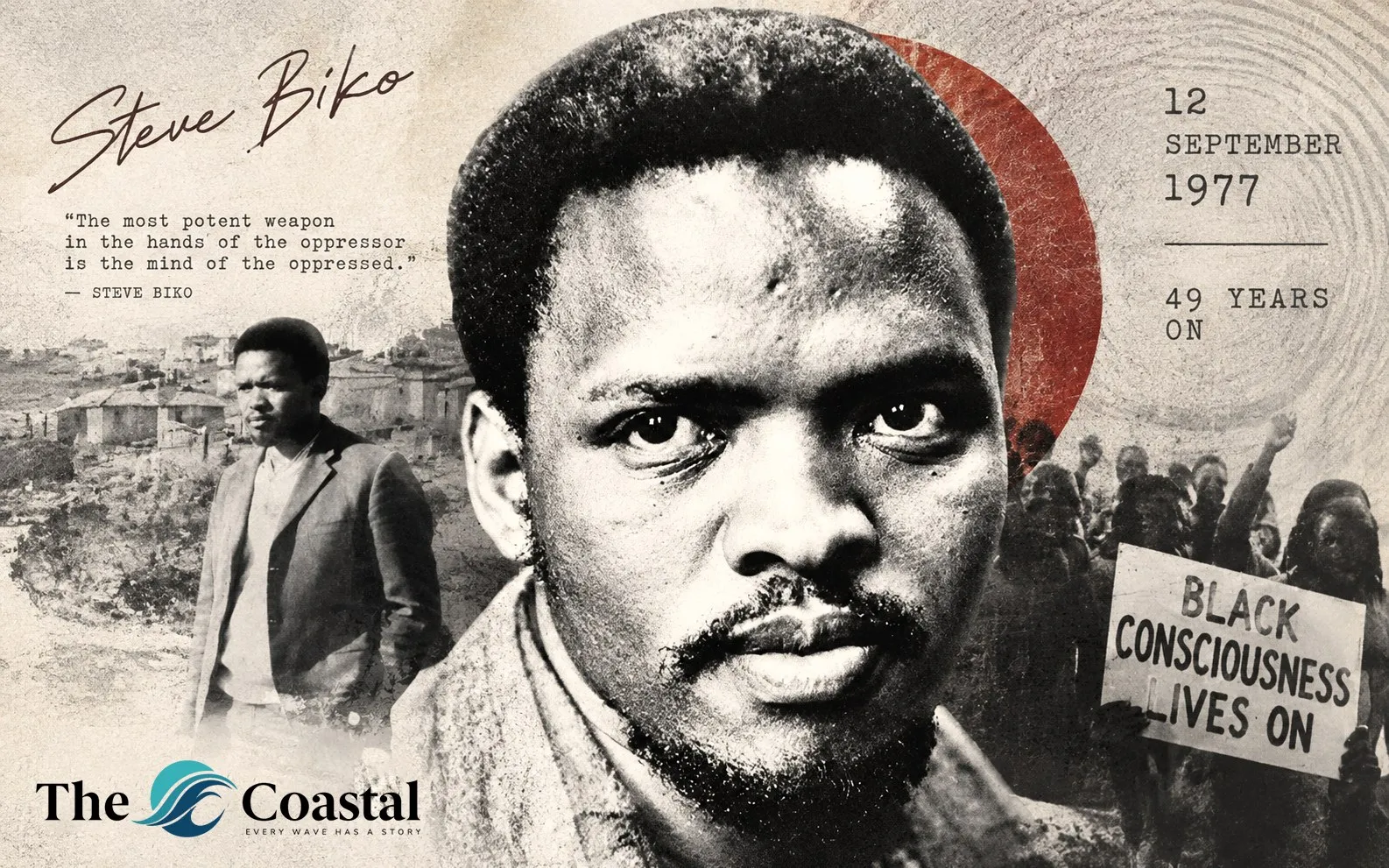
The quest for the truth and justice for Biko continues almost five decades after his brutal murder and that is why any commemoration without truth, accountability and justice is not enough.
Today (September 12, 2026) marks the 49th anniversary of the brutal murder of anti-apartheid activist and Black Consciousness pioneer, Steve Bantu Biko by the apartheid police at the youthful age of 31. This day is usually marked with commemorative events such as memorial lectures, laying of wreaths and an outpouring of messages of solidarity on social media.
These events bear testimony to the enduring legacy of the Black Consciousness philosophy that Biko and his peers so eloquently espoused. It is also remarkable that the younger generations who were born decades after Biko's death have actively embraced his teachings of being proud of their identity, justice and solidarity among black people across the diaspora, critical thinking and a dedication to community service.
This year, however, will have a poignantly different tone to the commemoration. It is the year in which yet another inquest has been opened in an attempt to get to the truth about who ordered the brutal torture and murder of Biko and how exactly this was executed. This inquest was preceded by the disgraceful farcade of the November 1977 hearing, in which the murderers investigated themselves and unsurprisingly declared that Biko died after a scuffle with the police and therefore none of them could be held responsible for Biko's death. This was followed by submissions made at the Truth and Reconciliation Commission by conspirators to the murder.
One of the most painful tragedies of our democracy is that, by omission or commission, none of the five apartheid police officers who confessed their roles in Biko's murder, and were denied amnesty by the TRC in 1999, were ever prosecuted. All indications from the ongoing Khampepe Commission into the TRC cases are that we are not likely to get any conclusive determination why this gross injustice took place.
As we remember Biko, we should spare a thought for his wife, Sis Ntsiki, their children and the rest of the family who once again have to endure trauma. This time triggered by the compound experience of the 1977 inquest, TRC hearings, Khampepe Commission and the current inquest at the Gqeberha High Court. No family deserves to be put under such perpetual agony and suffering. The family, just like the families of the Cradock Four, Nokuthula Simelane and all other victims of apartheid murders are fully justified in their relentless pursuit of the truth, even as many of the conspirators have died.
Some people, including many apartheid apologists have questioned why the families of victims do not simply move on and embrace reconciliation. But the same people do not question why Germany and other democracies continue with their worldwide hunt of Nazi officers who killed Jews in Hitler's concentration camps in the 1940s. This level of hypocrisy should never be tolerated.
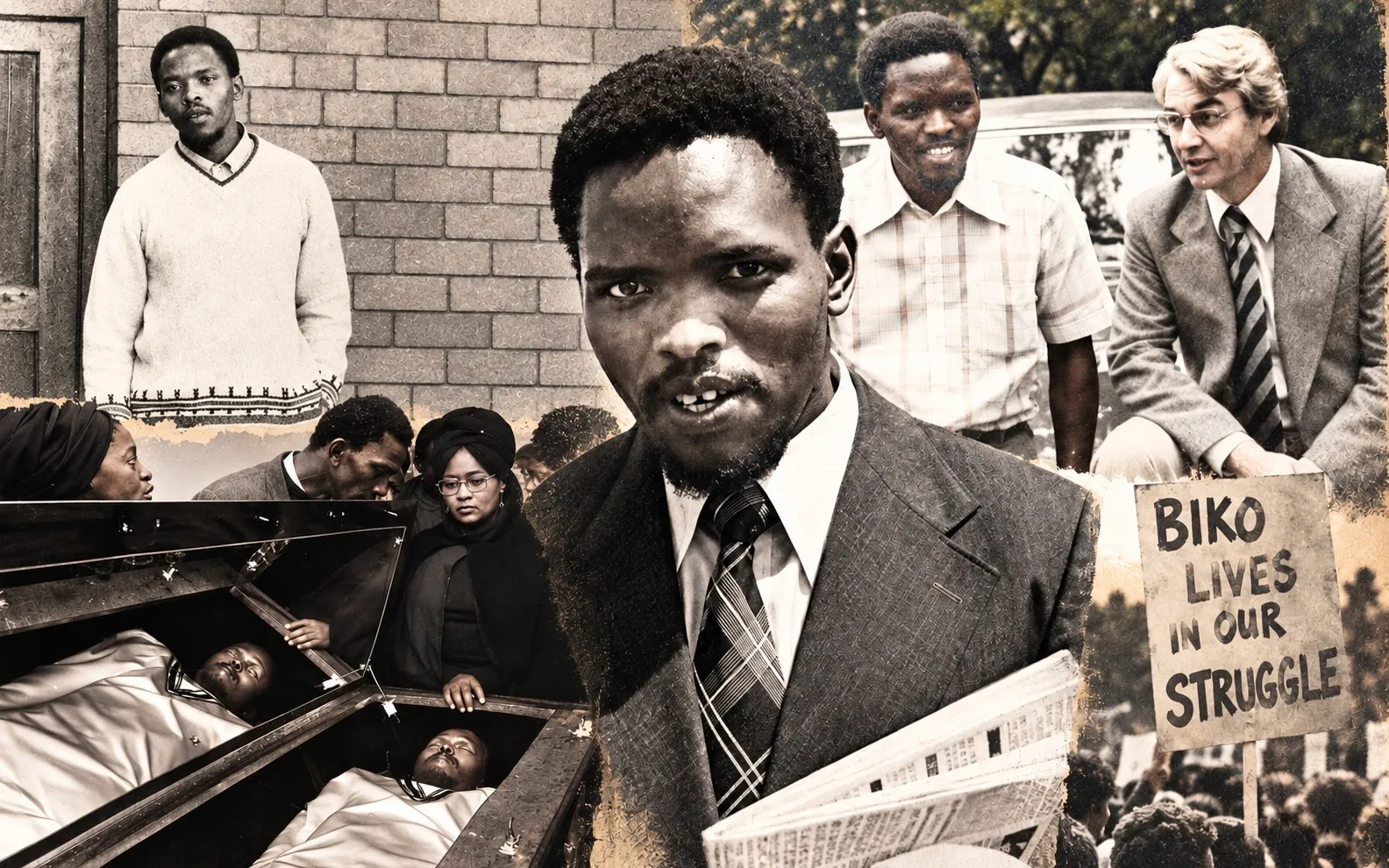
To add salt to the wound, the family has had to approach the courts to postpone the Gqeberha High Court inquest indefinitely because of a deep suspicion that the process is just for show. The remaining members of the apartheid security branch, Daniel Petrus Siebert and Jacobus Johannes Oosthuysen Beneke are suspected of presenting yet another false version of Biko's torture.
In 1997, on the occasion of the 20th anniversary of Biko's death the then President of South Africa, Nelson Mandela, directed that the commemoration of that year should leave meaningful legacy projects such as the erection of Biko's statue in front of East London's (now KuGompo) city hall, the renaming of the Buffalo River bridge that connects KuGompo City to the West Bank as well as improvements to Biko's final resting place, the Garden of Remembrance in King William's Town (now Qonce).
It is my abiding hope that as we approach the 50th anniversary in 2027, the family and the nation can receive the truth that they have been yearning for, for almost five decades. I also hope government can provide the family with specialist investigative and archiving support and not leave it to them to go through the volumes of files in preparation for the envisaged resumption of the Gqeberha inquest.
Lastly, I appeal to the municipality and community of my hometown, the Nelson Mandela Metro to attach more symbolic significance to the Walmer Police Station as a commemorative scene of the heinous crime where Biko was tortured before being transported naked and injured on the back of a police land rover for about 1 200km to Pretoria where he eventually succumbed to brain injuries.
Commemorating Biko cannot be left to being a social media trend. It is a struggle against amnesia, a quest for justice and a commitment to serve and honour black people with dignity. This should especially be evident in the quality of services provided to them.
You may also like

OPINIONS & PERSPECTIVES: When Africa Looks Small: The Politics of a Map
 Andile Nduna · 1d ago · 7 min read

Ncedo Kumbaca: The Buffalo City insider who says political patronage is crippling the metro
Johnnie Isaac · 1d ago · 6 min read
OPINIONS & PERSPECTIVES:Who will discipline Minister Pemmy Majodina?
 Mayibuye Melisizwe Mandela · 3d ago · 5 min read